
Kibera Nutcracker – From Slum to World stage
Daniel Kempf-Seifried, Germany
Daniel Kempf-Seifried is a Freelance Photographer born 1978 in Sigmaringen, Germany. Based between East-Africa and Europe, with a focus on visual Storytelling, Fashion and Portraits Photography.


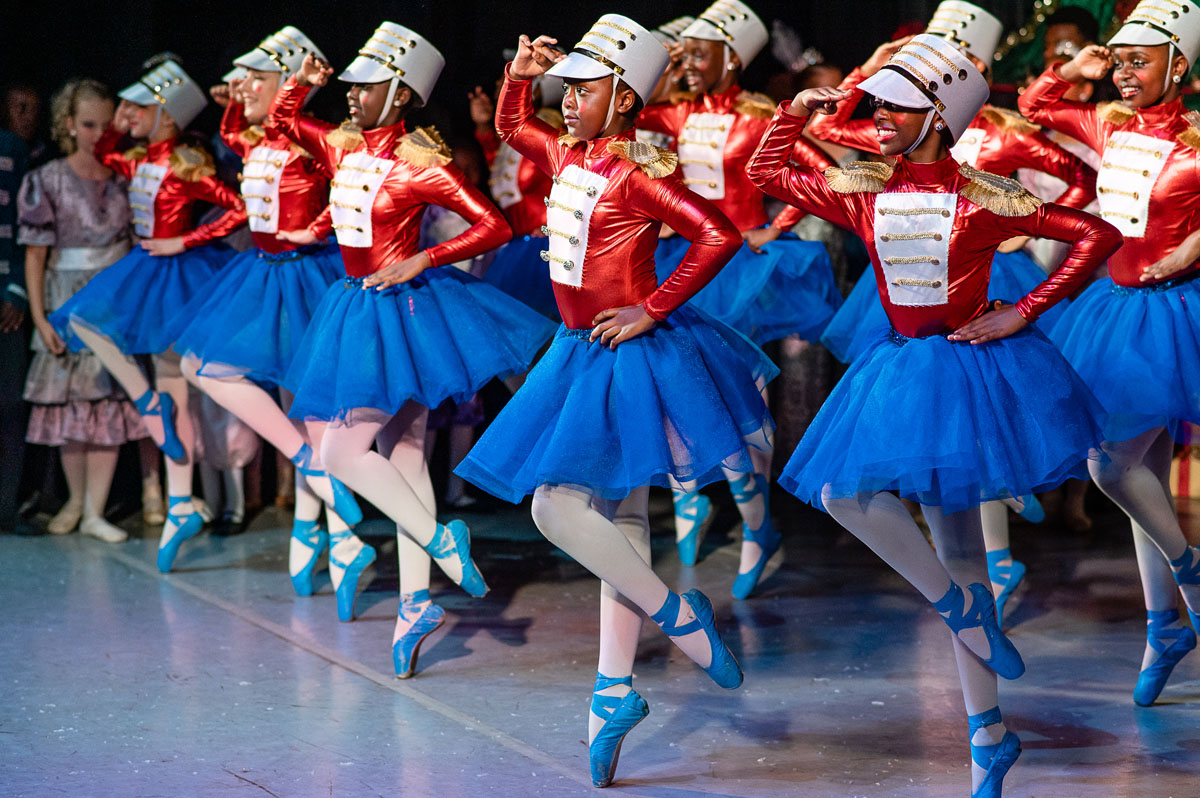

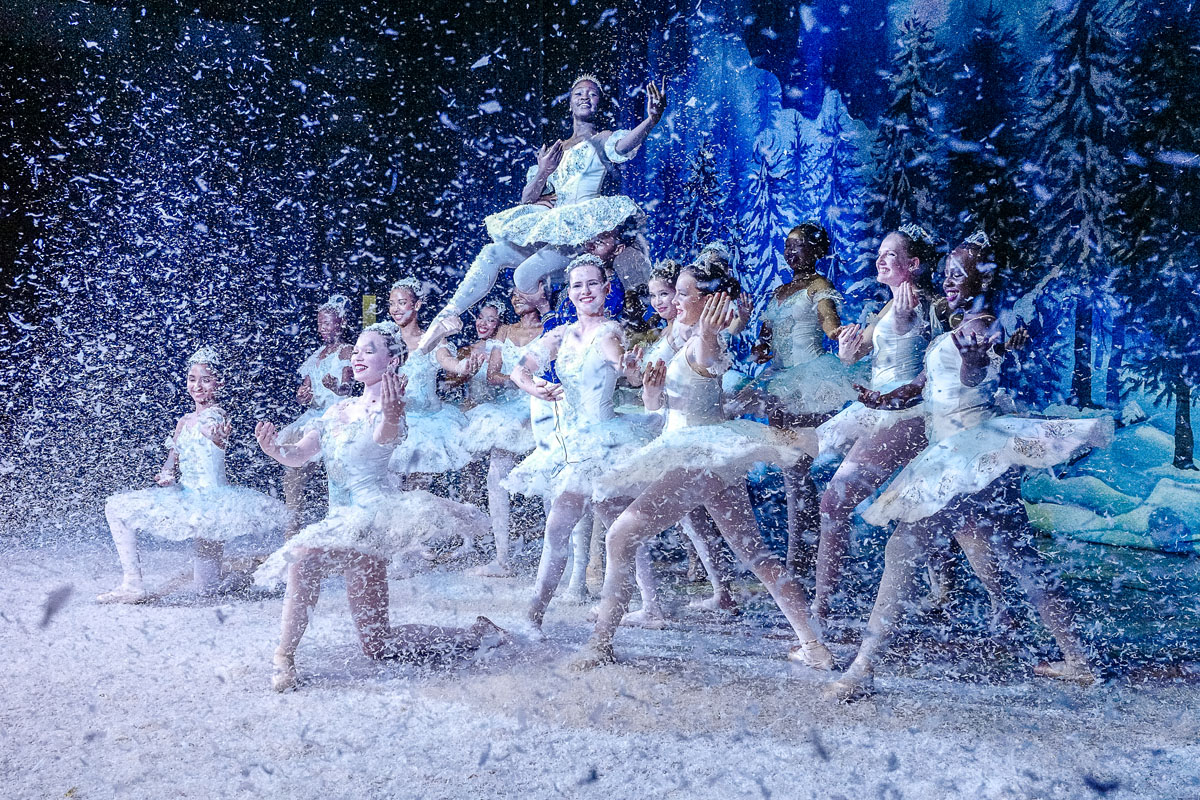

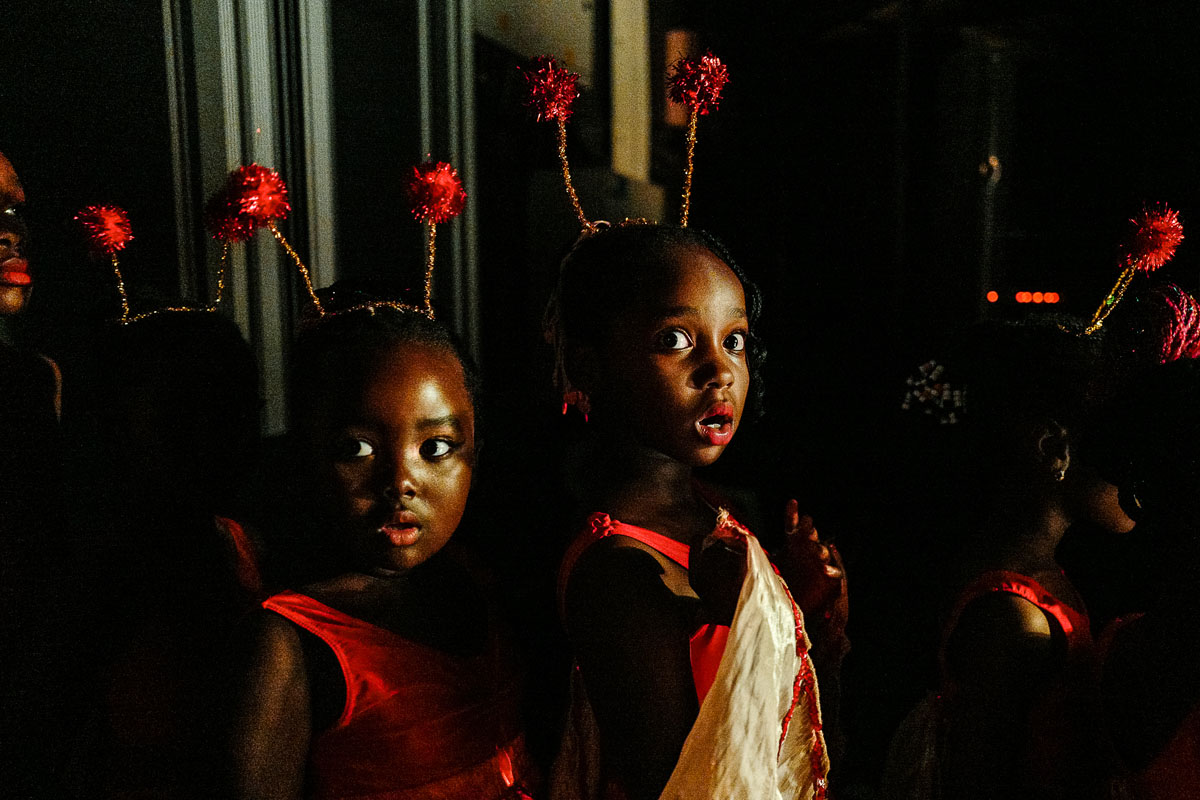
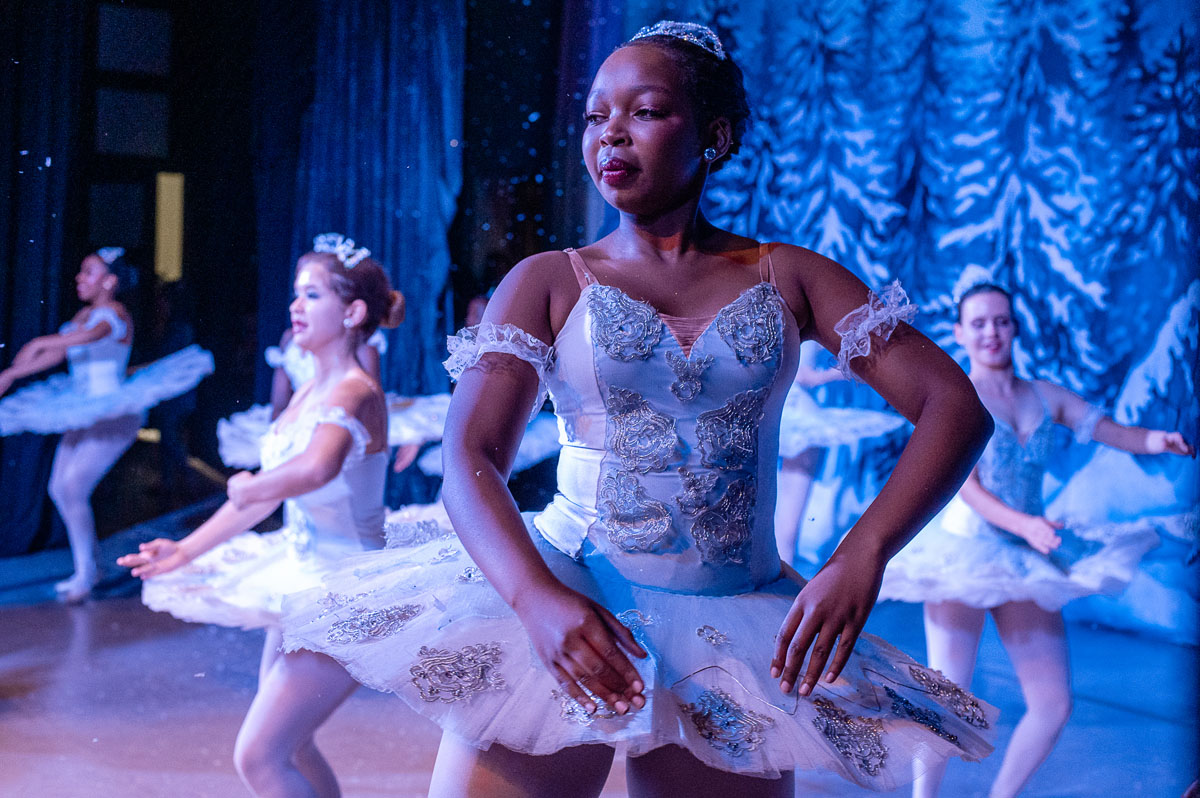
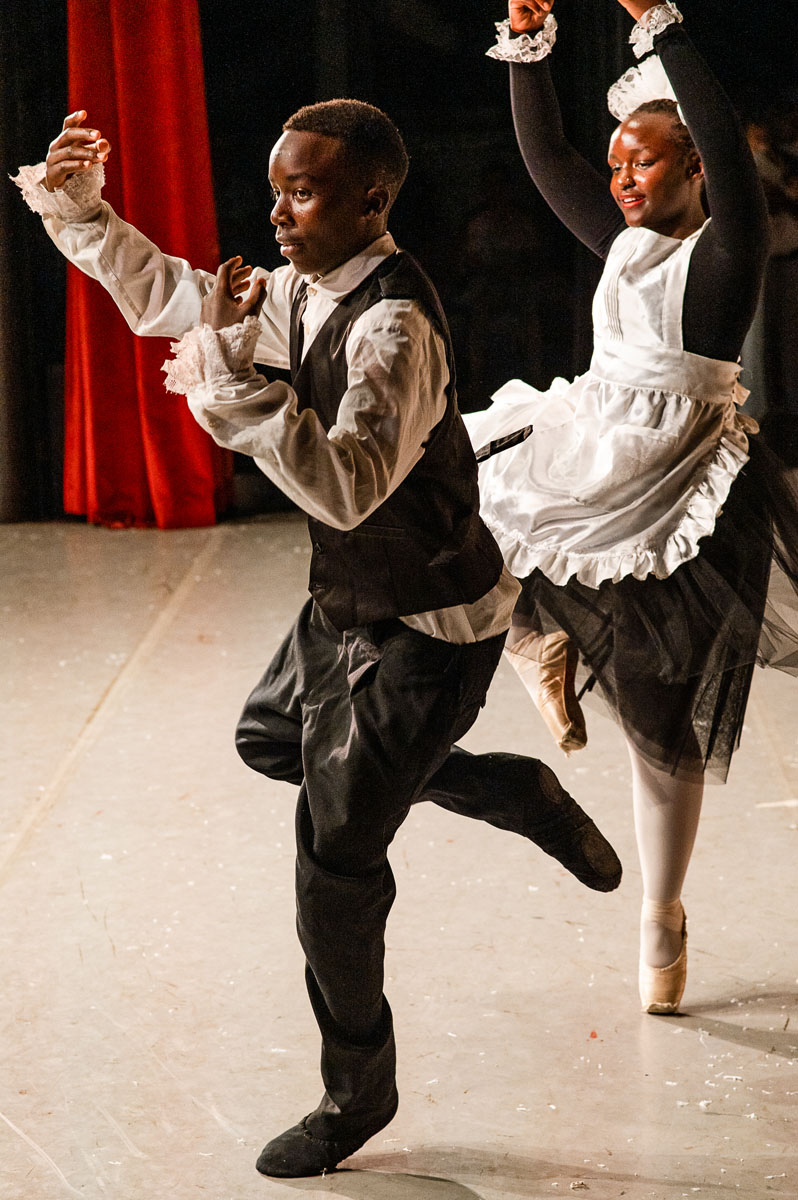
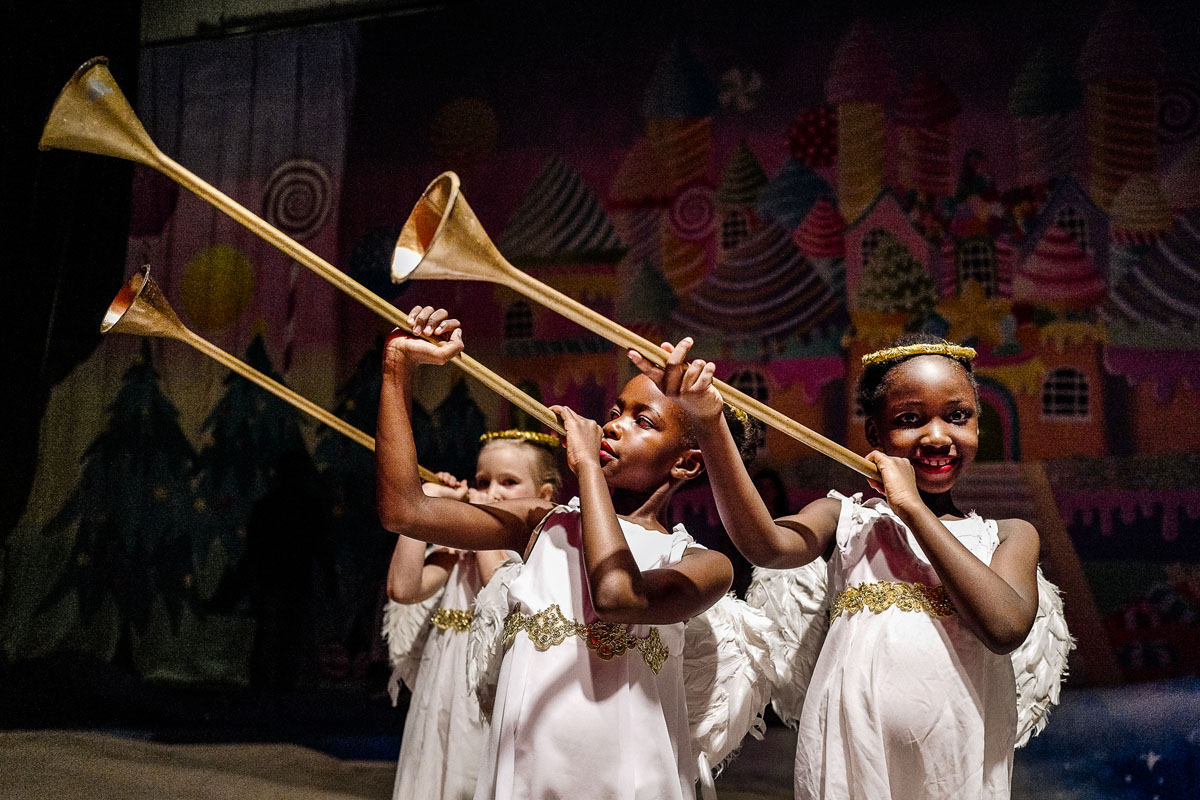
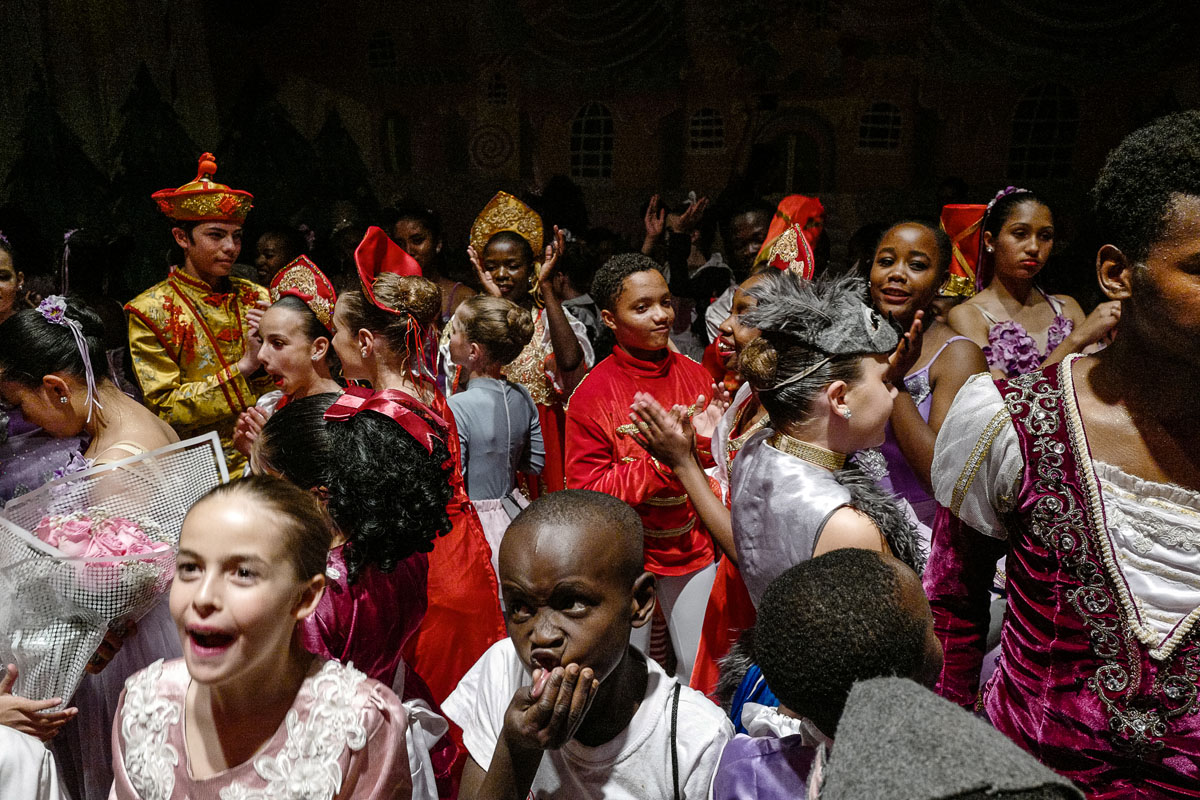
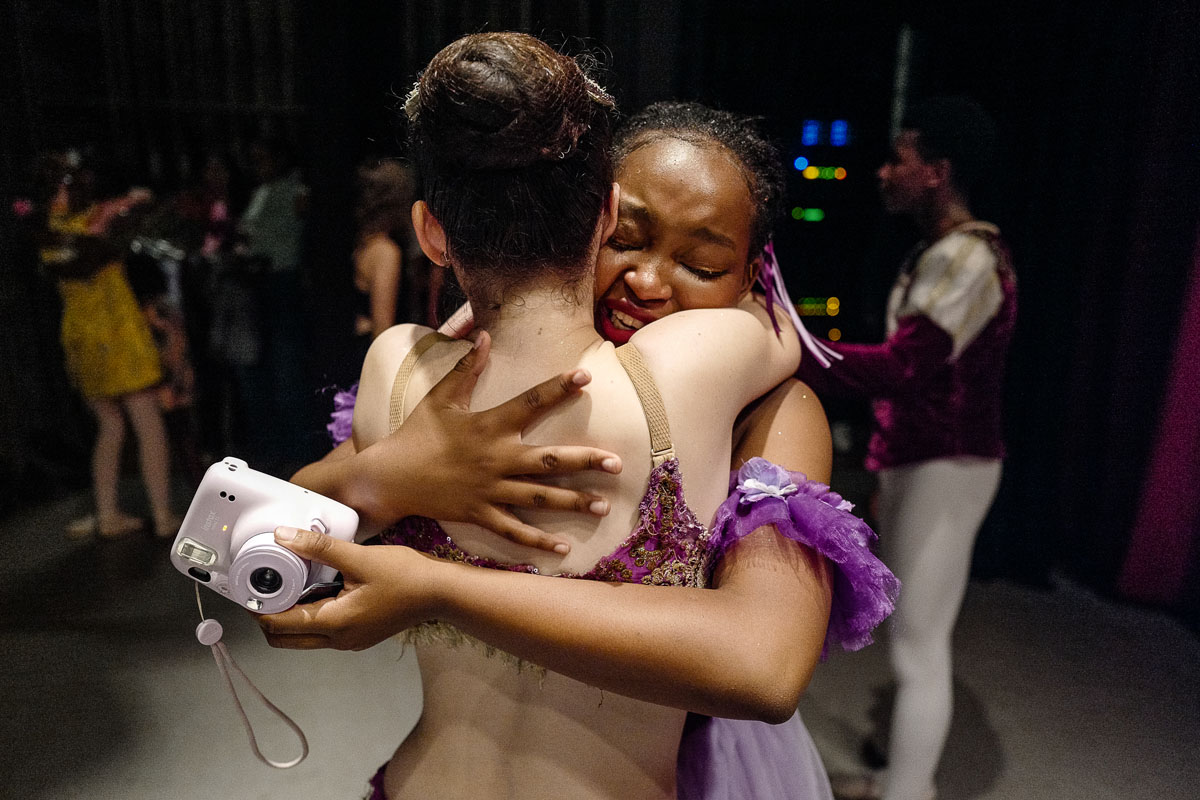
The Kenyan production of The Nutcracker was born from a conversation between two young Kenyans who themselves had very little, and from their desire to give the poorest children in the city the very thing that had once saved them — the art of dance.
This timeless classic by Pyotr Ilyich Tchaikovsky, reimagined with a Kenyan touch, has become the city’s most cherished Christmas tradition since its premiere in 2015.
In 2009, Kenyan dancer Joel Kioko met American ballet teacher Cooper Rust. Cooper Rust was volunteering in Nairobi and teaching at Kenya’s only professional ballet school, Dance Centre Kenya, located in one of Nairobi’s affluent neighborhoods.
Joel Kioko himself came from Kibera, but through a combination of luck and exceptional talent, he had received a scholarship to study at the school. One day, he said to Cooper Rust:
“Why don’t you bring ballet to Kibera too? The children there have nothing — but they have legs and dreams.”
Cooper Rust thought the idea was crazy — there were no proper floors, mirrors, ballet barres, or funding. But he agreed. Together with his Kenyan friend Mike Wamaya, who also came from humble beginnings, Joel Kioko began offering free ballet lessons in 2010 to exactly nine children inside a tiny corrugated-iron shack in Kibera. The floor was made of dirt, the ceiling was low, and the smell of sewage filled the air — but the children came every single day.
In 2011, they watched a televised performance of The Nutcracker. The children were completely captivated by the pointe shoes and costumes. Joel and Mike had an idea:
“We will create our own Nutcracker — with our children from the slum.”
In 2012, it finally happened. The first performance of The Nutcracker in Kibera took place with 28 children, handmade costumes sewn from old curtains, a CD player serving as the orchestra, and an audience of hundreds of slum residents who had never seen ballet in their lives. The performance was a sensational success. Local newspapers reported on it, donations suddenly began to arrive, and the project exploded in popularity.
Since 2012, the troupe — now made up of more than 300 children — has performed its own “Kibera Nutcracker” every December.
The original nine children from 2010 have since become professional dancers and teachers, and some now perform or study at some of the finest ballet schools in the world.