
Sisterhood on Wheels
Chantal Pinzi, Germany
Chantal Pinzi is a visual activist based in Berlin who focuses on photojournalism and documentary photography to explore resilience within marginalized communities through the voices of women. Her work aims to understand and challenge oppressive systems by capturing narratives that inspire viewers to question societal issues. As a witness, she prioritizes creating a record for collective memory while striving to illuminate the beauty of humanity with empathy and compassion. Pinzi’s work has been recognized internationally through awards and exhibitions such as World Press Photo, Sony Photography Awards, and Xposure Festival.

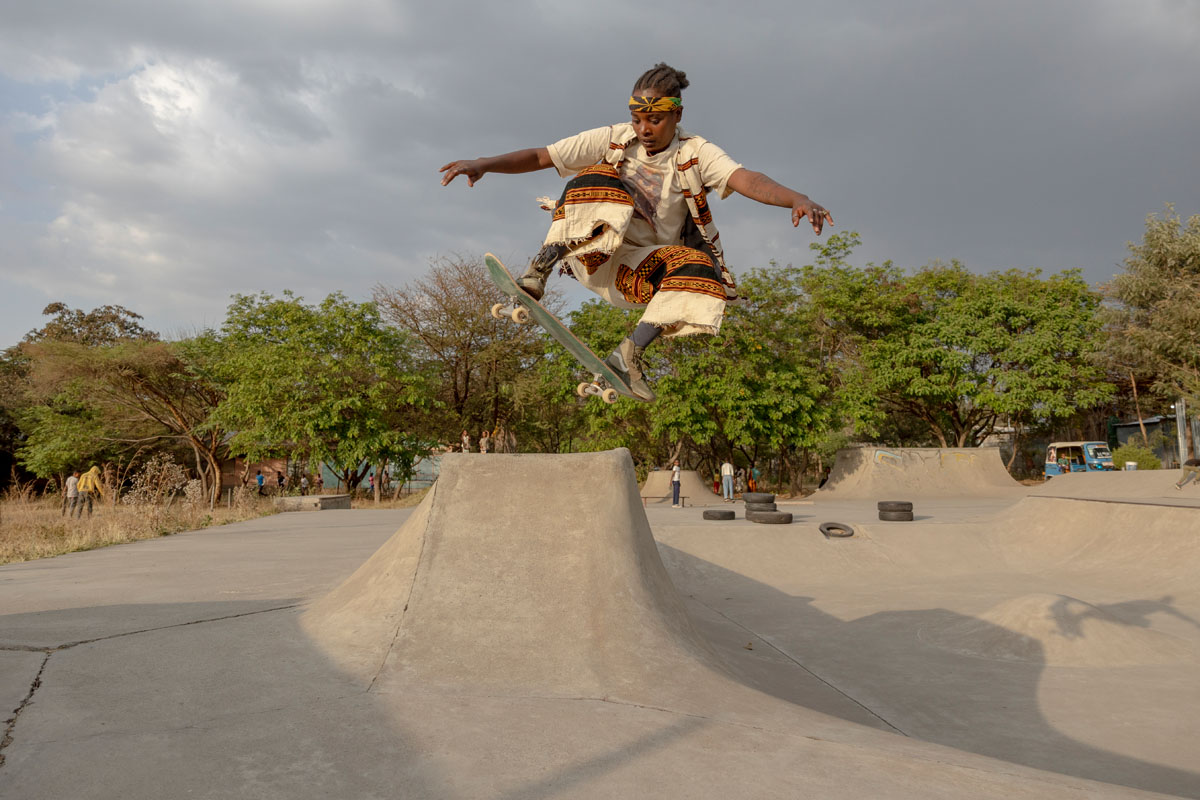
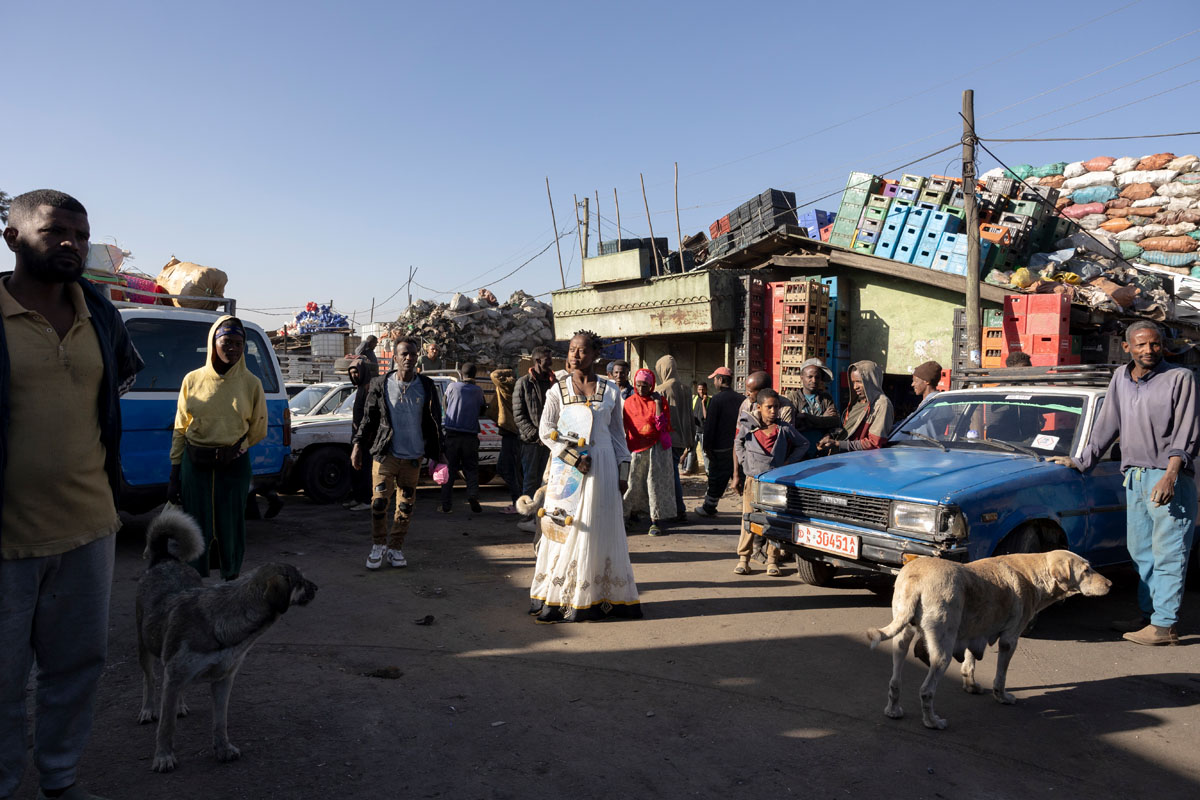
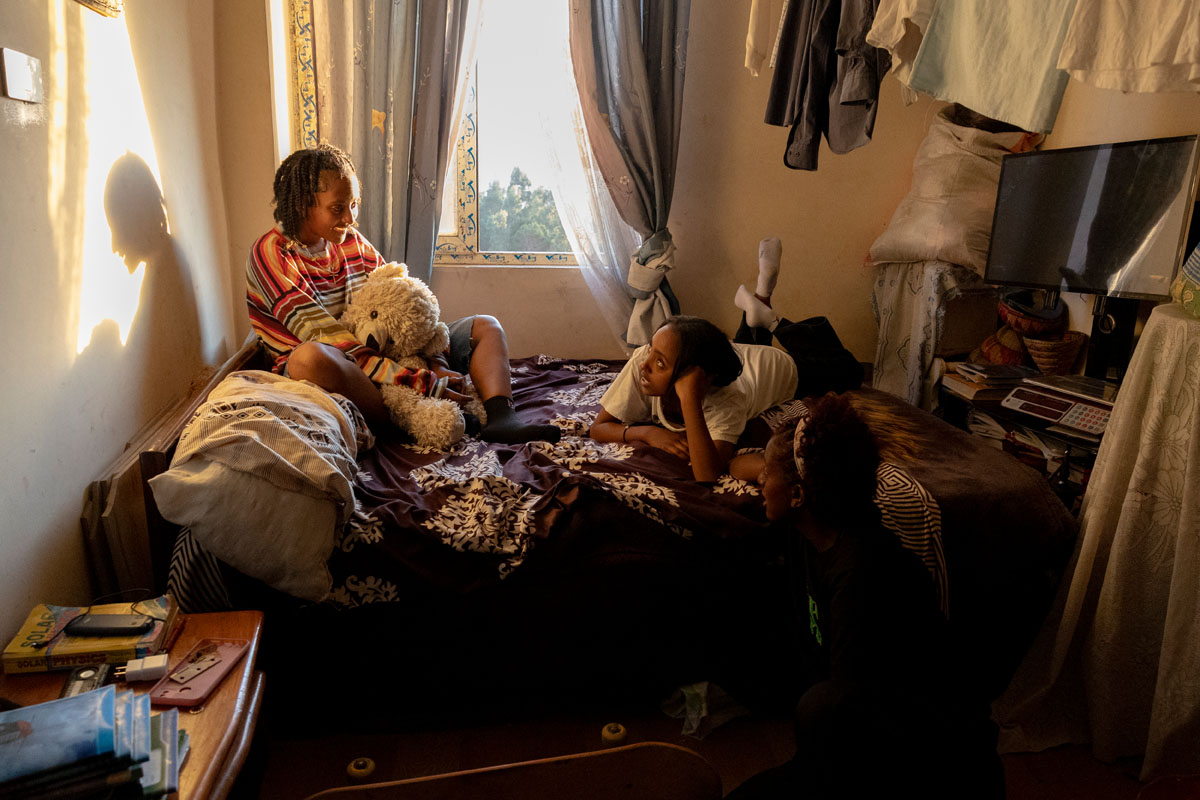
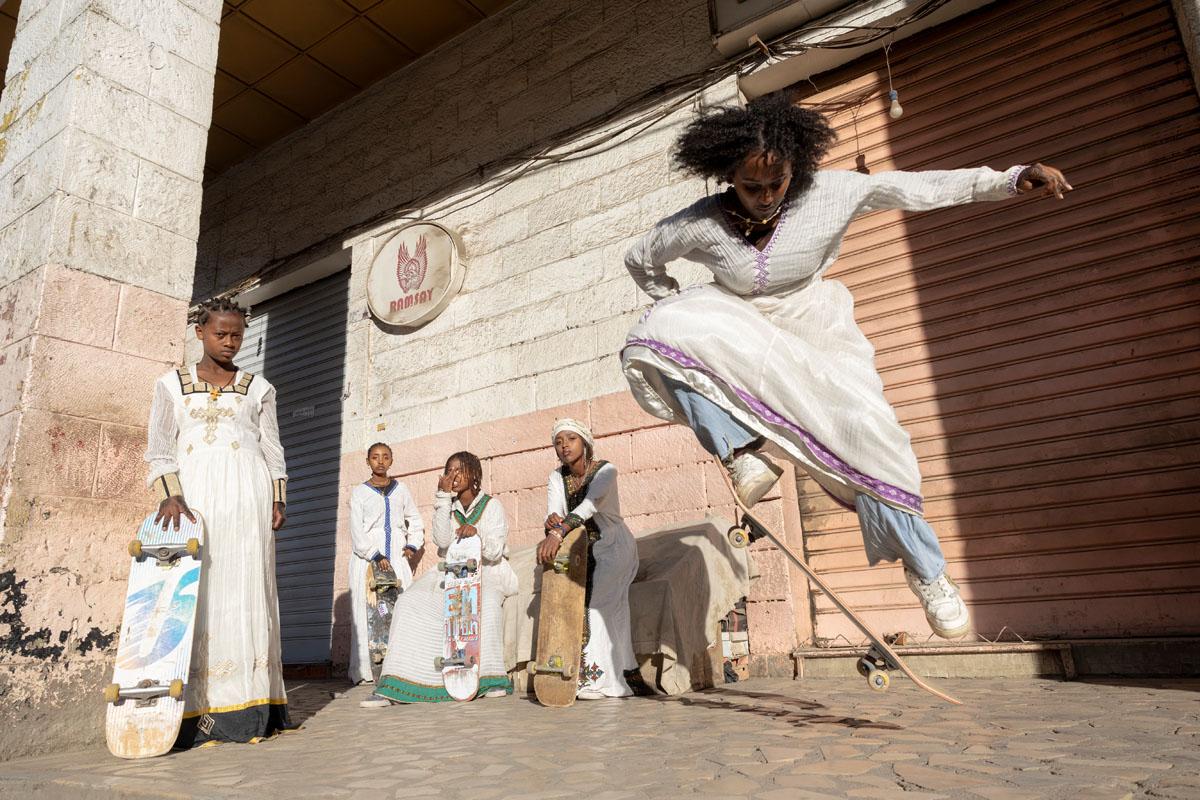
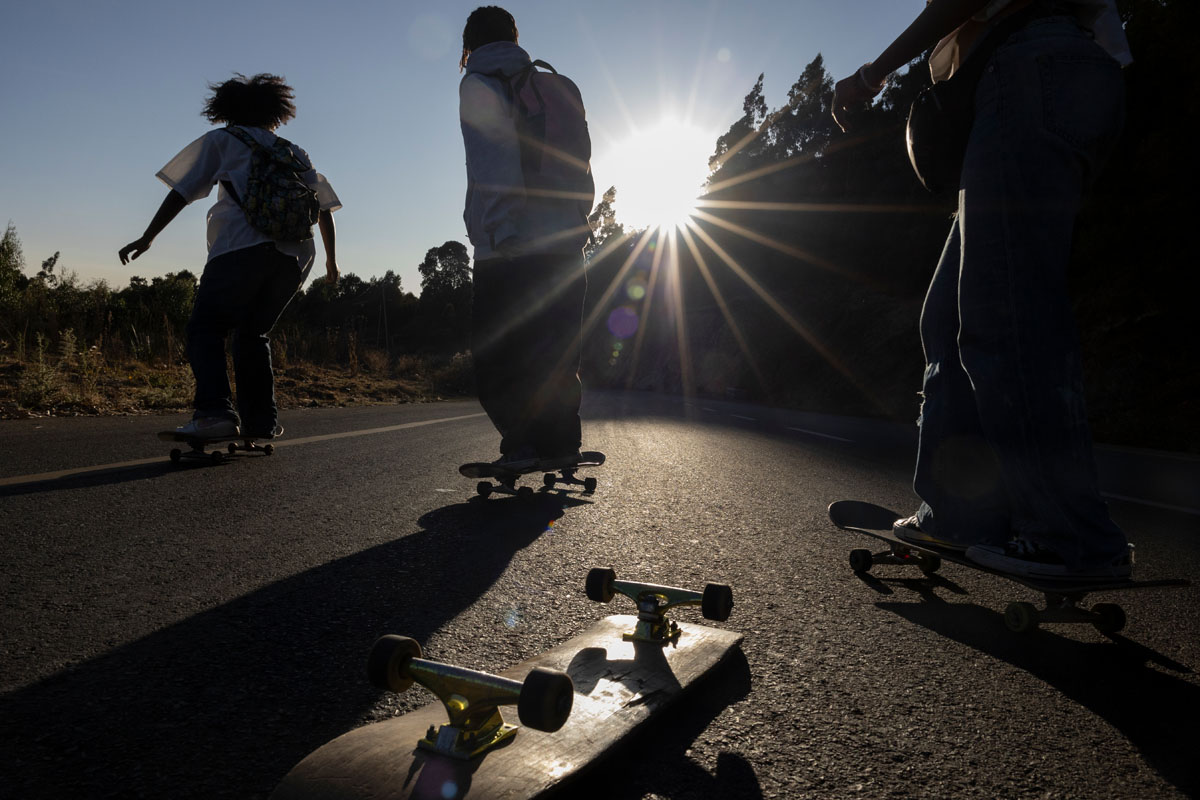


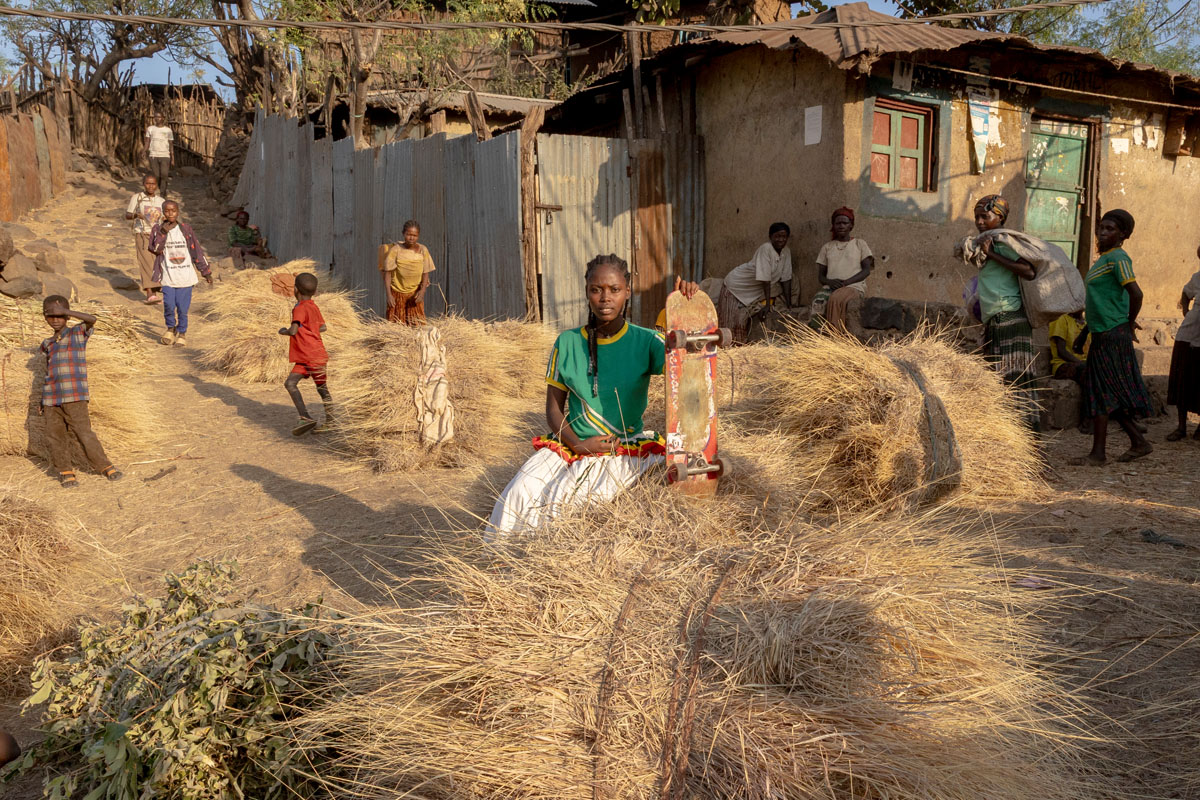
As Ethiopia slowly emerges from a devastating civil war, an unexpected revolution is taking shape on the streets of Addis Ababa, where a group of young women gathers at the city’s only skatepark, transforming it into a space of freedom and solidarity. In a society where gender inequalities are engrained and have been deepened by war, the skateboard has becomes a tool for self-determination and a source of identity.
One of the leading groups is the Addis Girls Skaters group, a collective that challenges social norms by providing girls with a safe environment to express themselves freely. These women plays a key role in Ethiopia’s evolving skate scene. Closely involved with Ethiopia Skate, a non-profit supporting skateboarders across the country, Addis Girls Skateboarding is actively shaping a new narrative of inclusion and empowerment. Every Saturday morning, the Addis skatepark is reserved for the girls, giving them a safe space to learn, practice, and build a supportive community. In Ethiopia, girls, even in the capital, face gendered expectations at home, with those from less privileged backgrounds experiencing even harsher pressures. Beyond the home, deeply rooted patriarchal norms contribute to systemic isolation, discouraging women from engaging in public life or pursuing non-traditional careers, resulting in a sense of invisibility and exclusion. While some of the girls have progressed to perform tricks and even participate in competitions, the real focus is on building strong bonds, a true sisterhood that goes beyond skateboarding, weaving a tight-knit community that is transforming their lives.The skatepark has become their second home, and the girls, one another’s chosen family.
But the revolution isn’t just for the younger generation. Burtekan, 43 and mom of two, is one of the women who has decided to defy prejudice by stepping onto a skateboard alongside teenagers. In a society where age and gender often define one’s path, her example proves that it is never too late to rewrite your own destiny.
Skateboarding has grown exponentially in Ethiopia. The country’s first skatepark was built in 2016 in Addis Ababa followed by others in Hawassa, and Konso, a rural village where the movement is beginning to take root, though female participation remains limited. Beyond sport, these spaces represent an opportunity for social change and sisterhood, giving women the chance to redefine their role in society.