
The Shape of Time
Lucia Alonso Garrido, Portugal
Lucía Alonso (1990) is a photographer and cinematographer documenting living traditions, ancestral knowledge, and cultural landscapes that shape contemporary identity. Based in Lisbon and working across the Amazon rainforest, Peru, South Africa, and Vietnam, her practice emphasizes long-term immersion and collaboration with communities. Her work, including contributions to documentaries like “Eskawata Kayawai,” aims to bridge cultures and foster emotional connection through photography and film, promoting cultural continuity, environmental awareness, and collective memory.
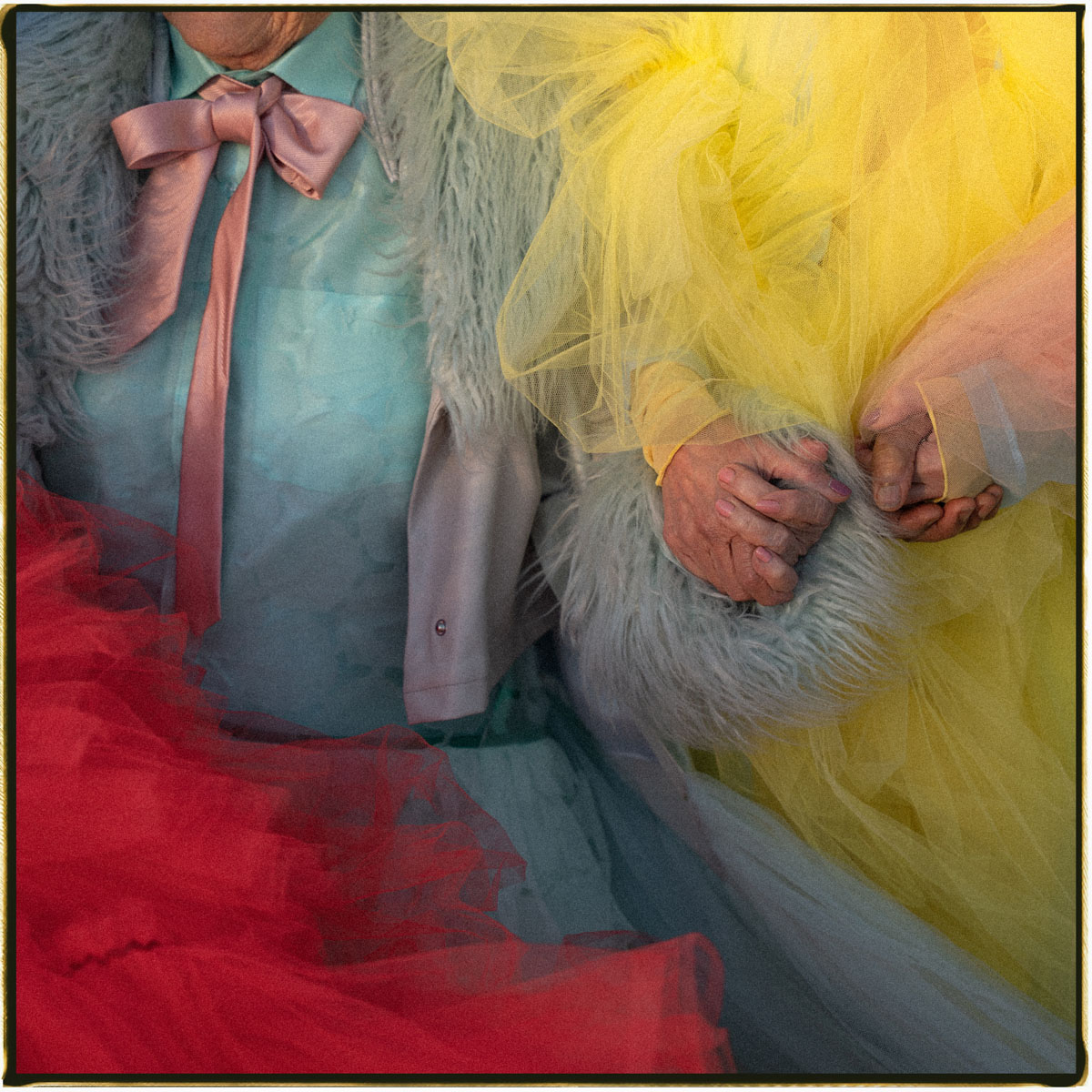
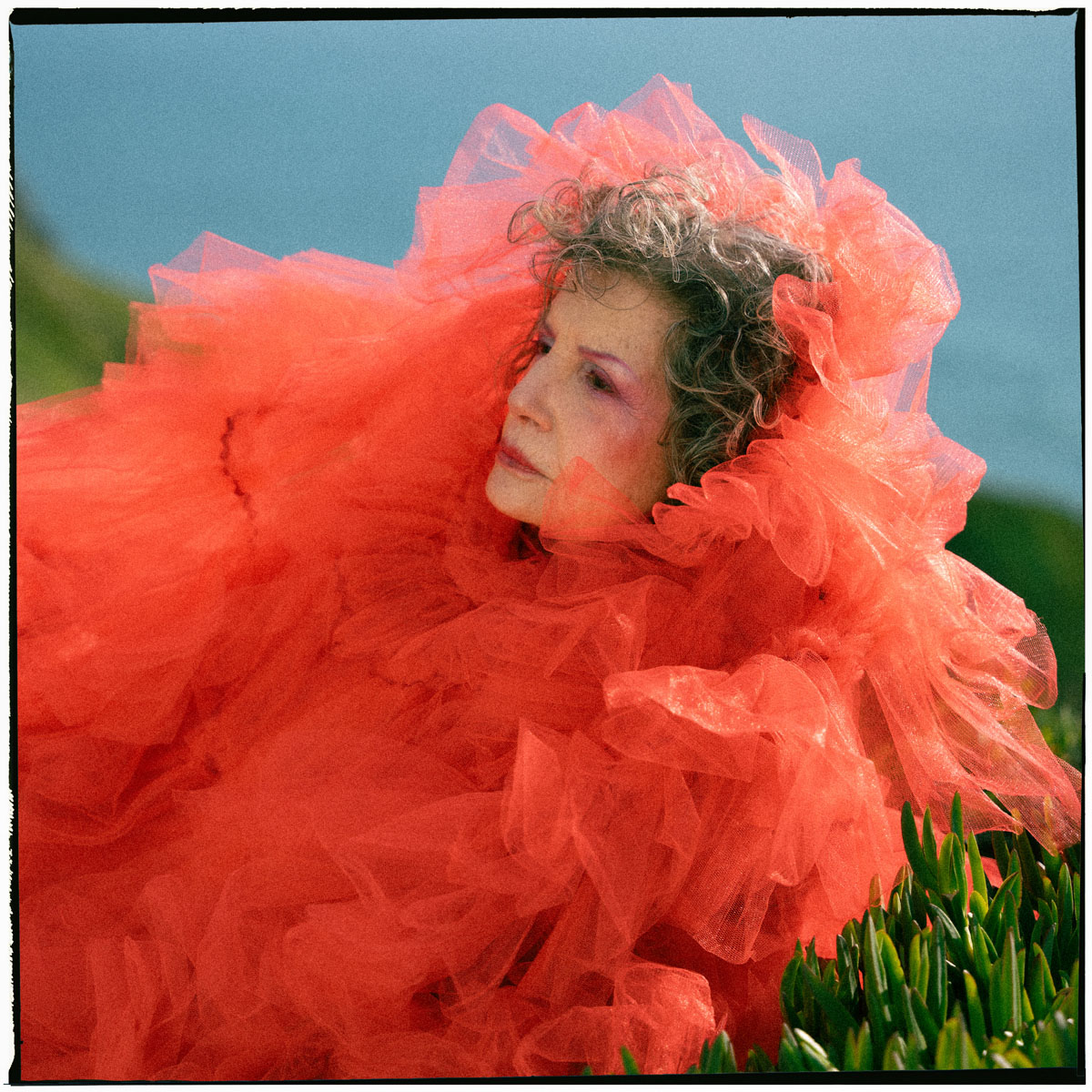
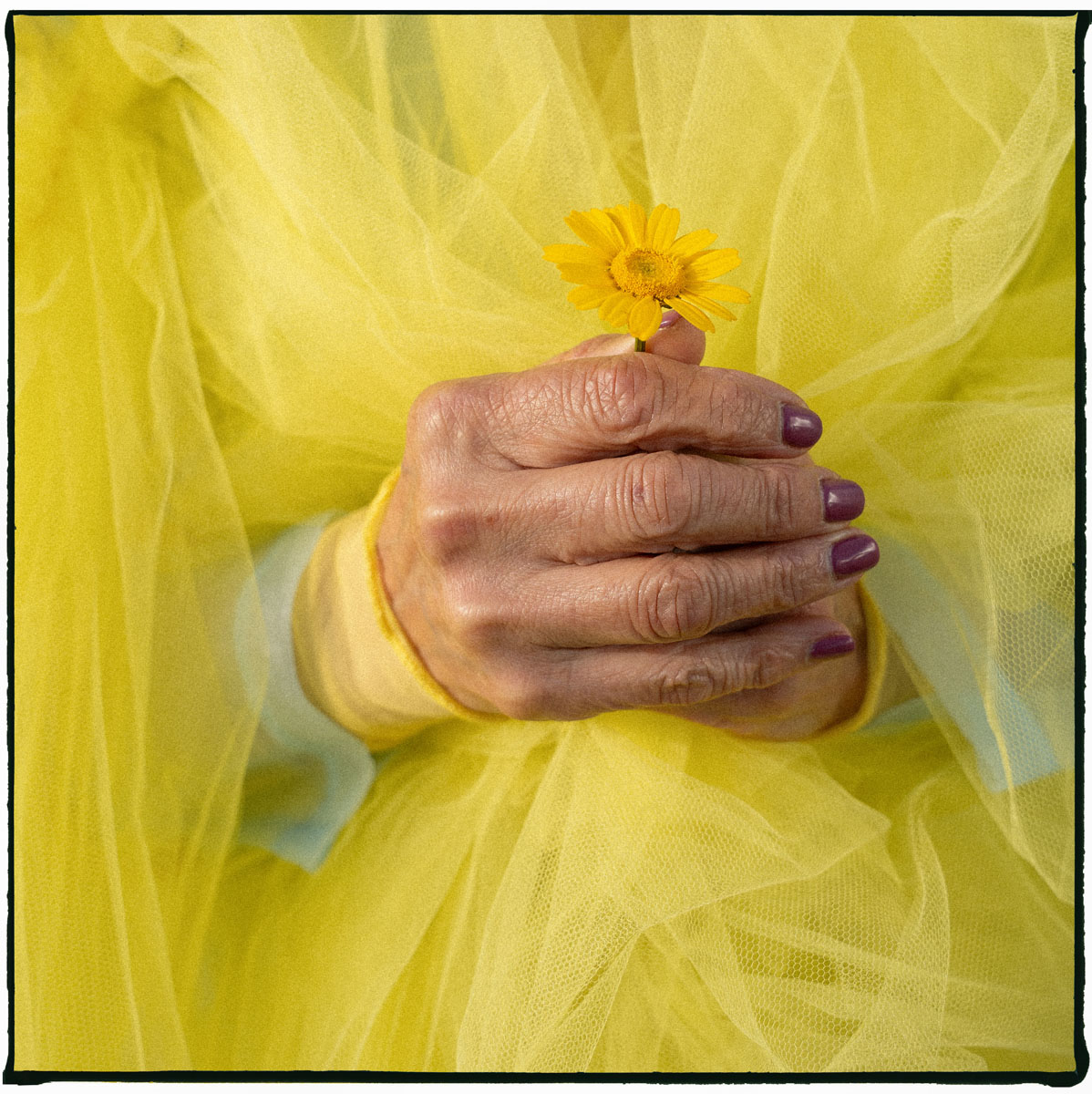
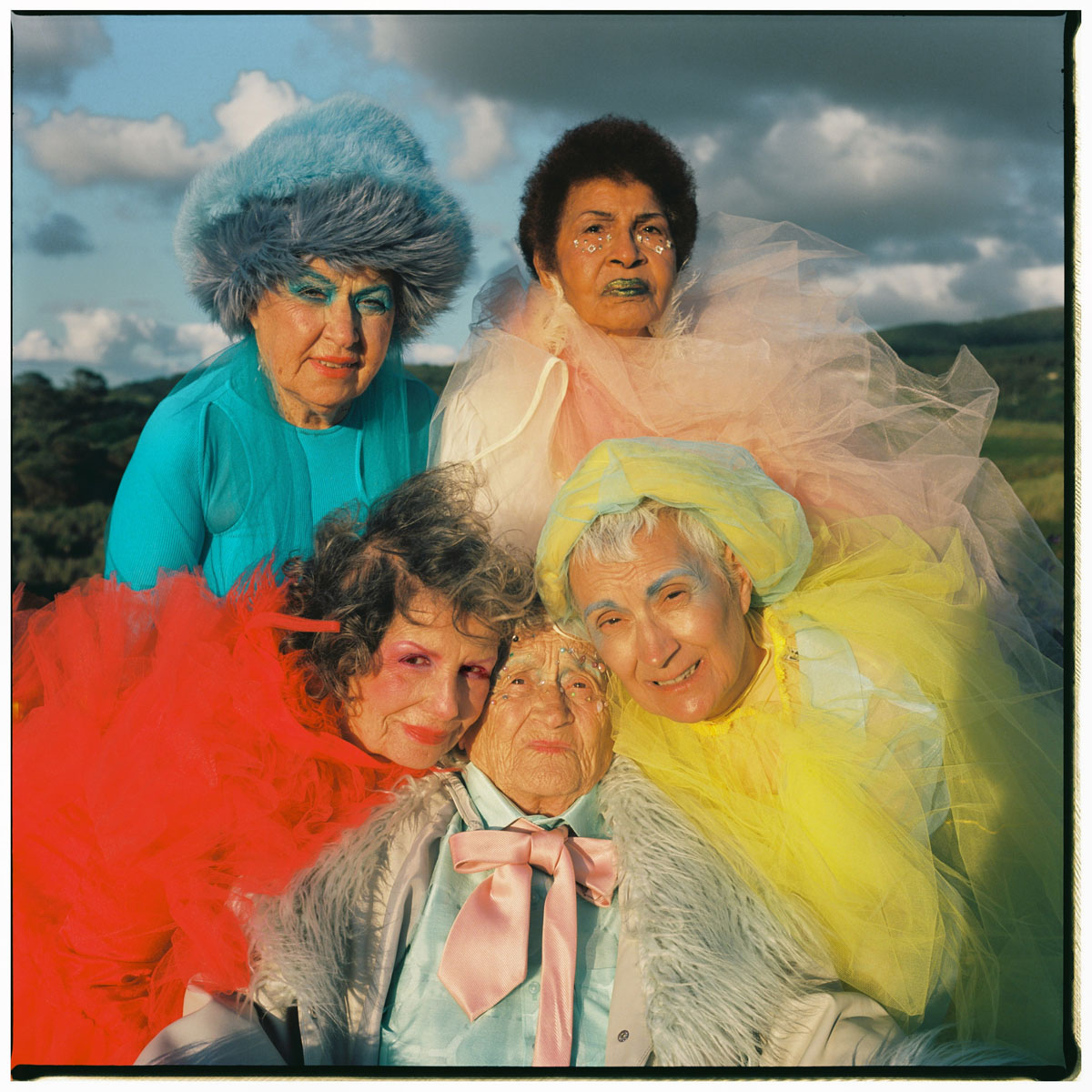
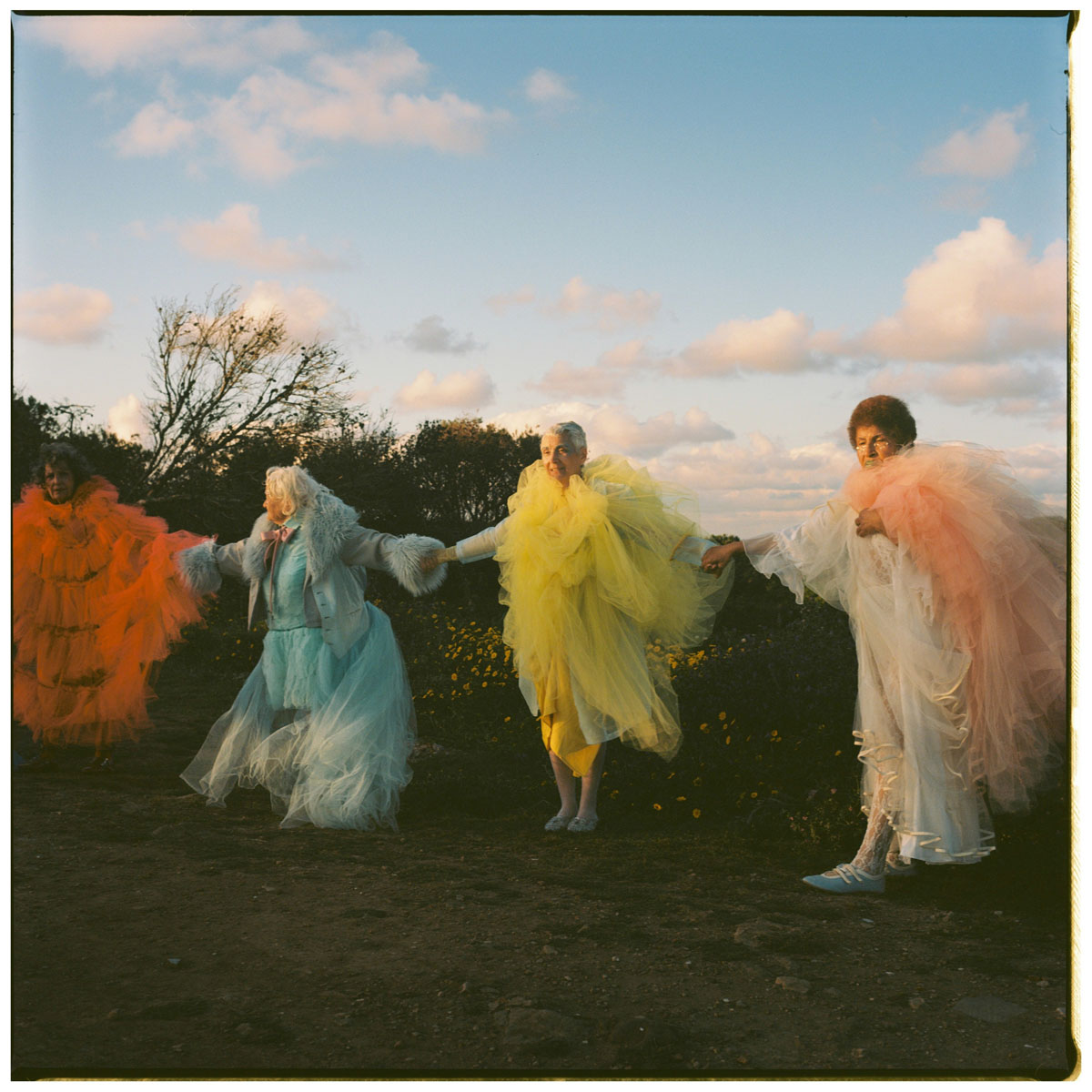
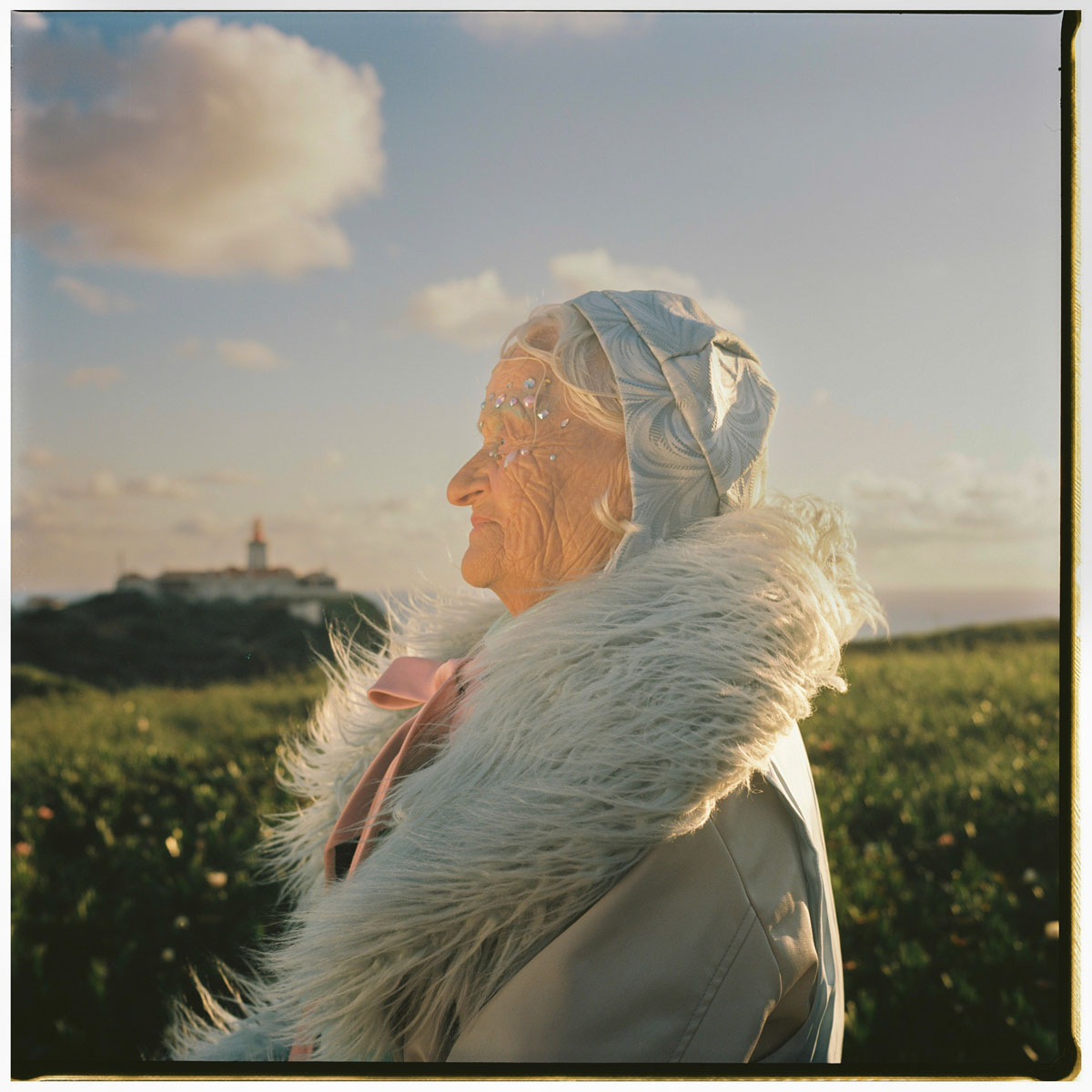
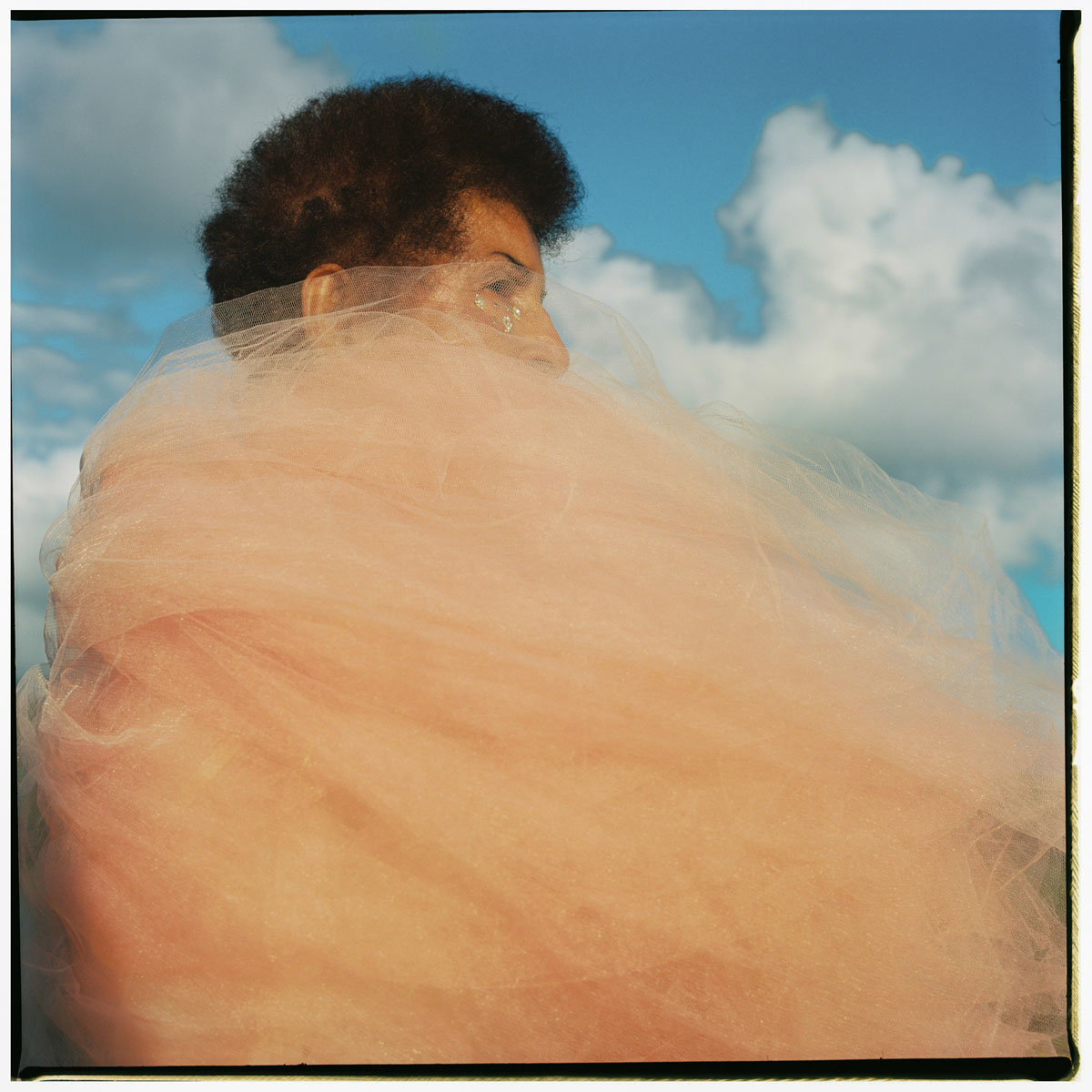
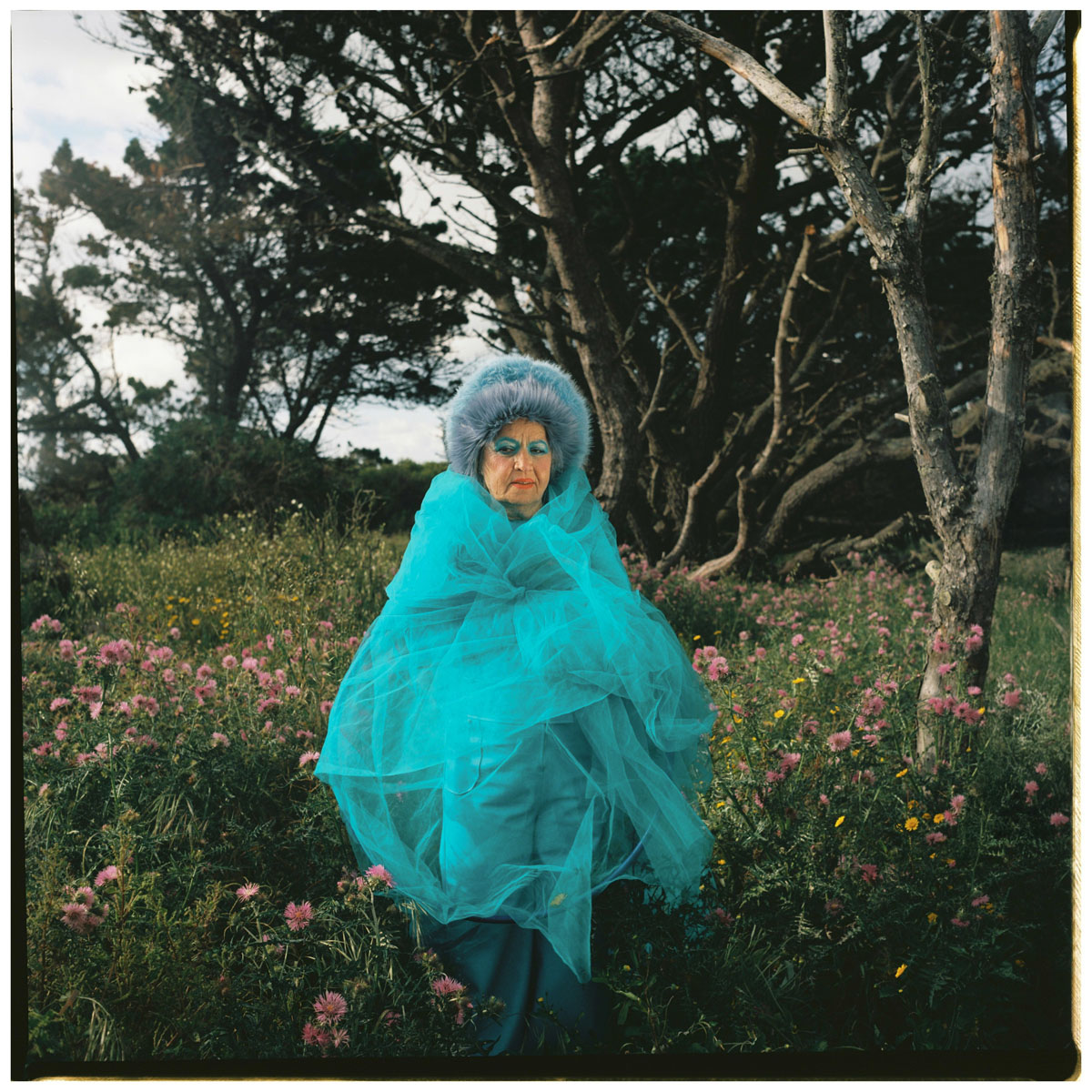
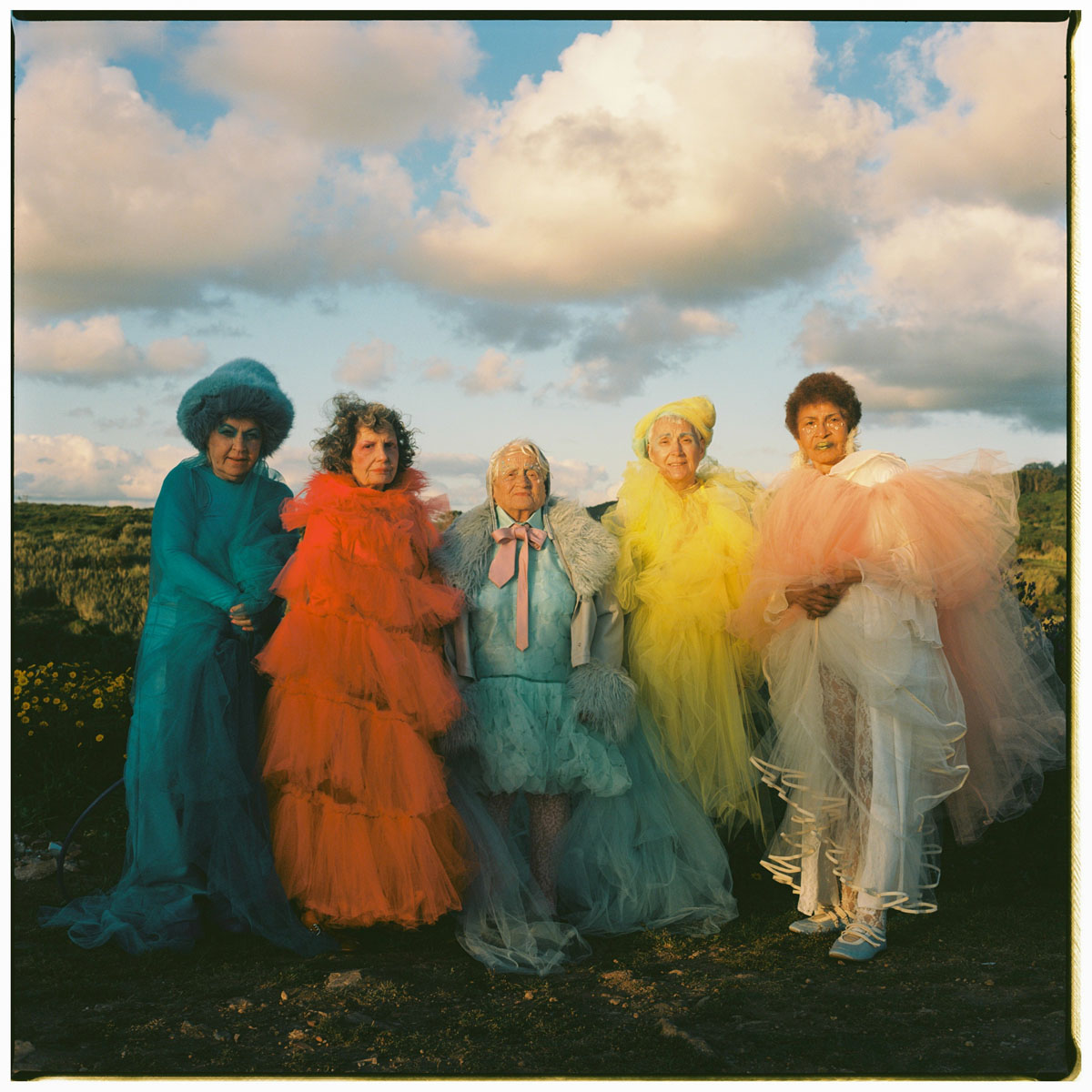
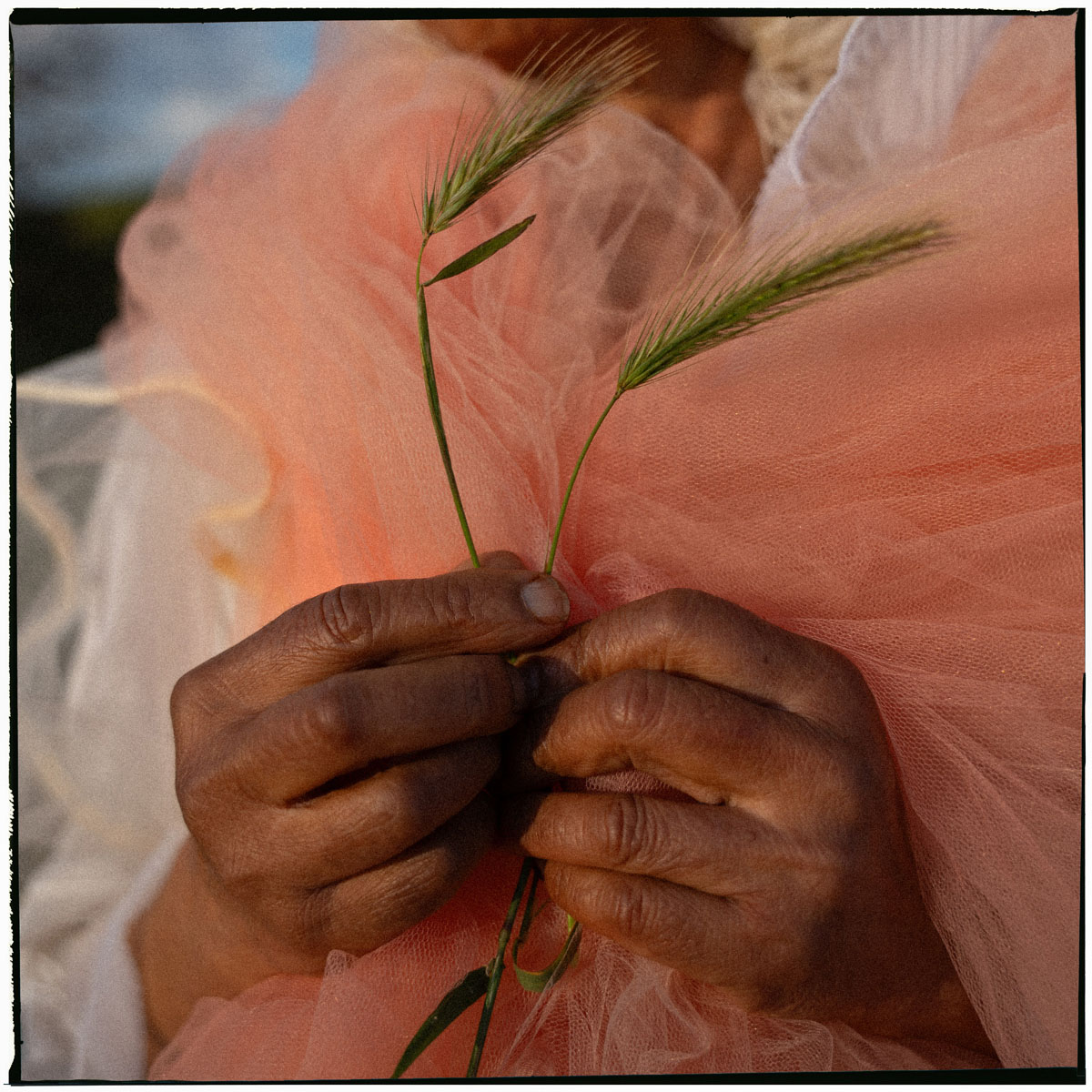
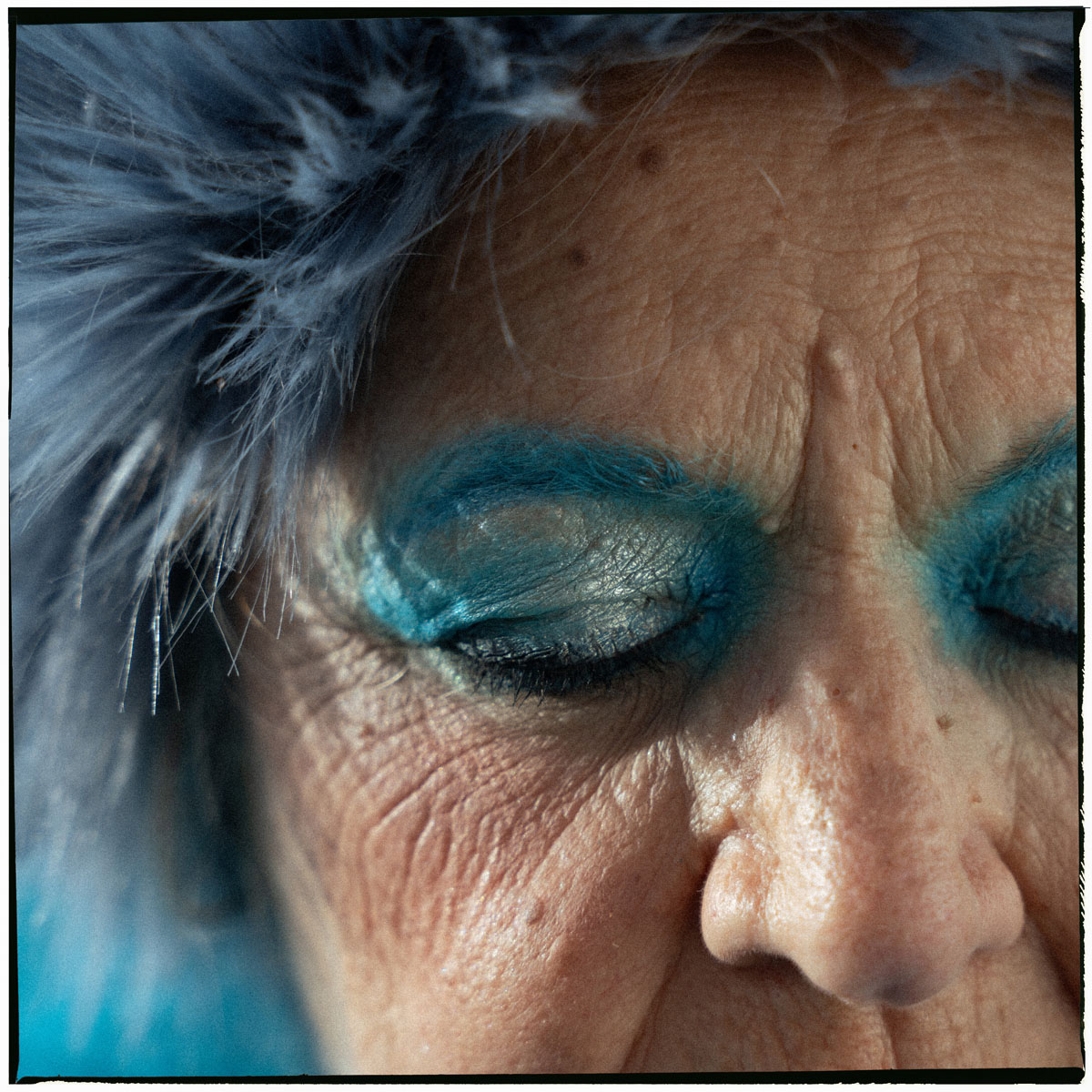
In a world that glorifies youth, smooth skin, and constant productivity, aging is often treated as something to hide or fear. For women in particular, growing older frequently means becoming invisible. This project challenges that logic by centering women in their 80s who continue to live, create, and participate fully in the world around them.
The women portrayed are part of A Avó Veio Trabalhar, a Lisbon based collective that brings together older women through shared activities such as sewing, painting, learning, teaching, traveling, and organizing cultural events. Rather than slowing down, they gather to remain active and engaged, sustaining a strong sense of community and mutual support.
I live in the same neighbourhood as the collective, which has allowed me to develop a sustained relationship with these women through regular presence, visits, and shared cultural activities. This proximity shaped the project from within, prioritizing trust and everyday moments over staged representations.
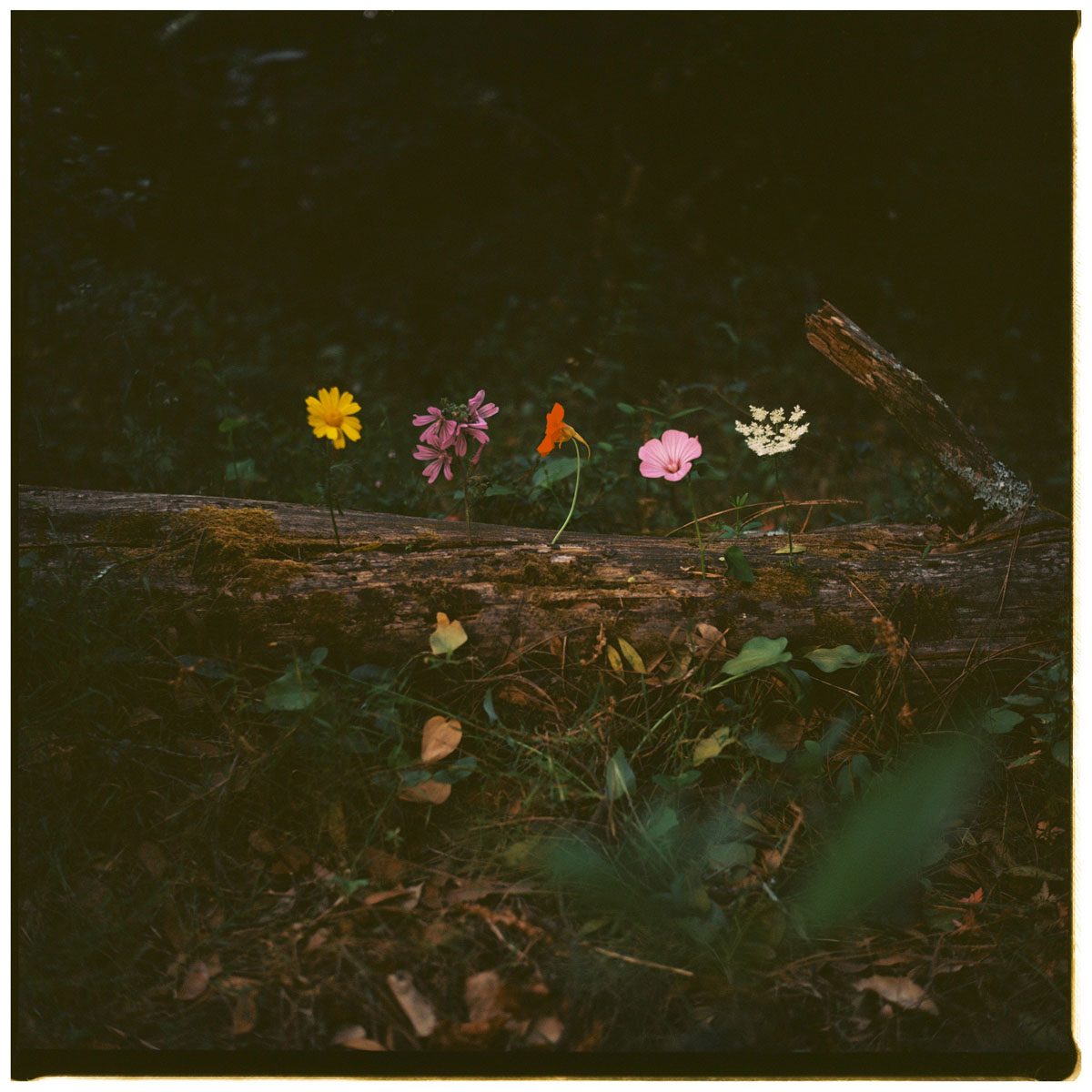
Alongside the portraits, images of flowers appear throughout the series. They function as a visual analogy to the women themselves. Just as flowers continue to bloom in different forms and stages, these women assert their presence through color, movement, and vitality. Styled in vibrant garments, the use of color reinforces their refusal to fade into the background and becomes a visual language of strength and affirmation.
Through this work, aging is presented not as decline, but as expansion. The images reflect lives shaped by decades of experience, humor, resilience, and style. These women defy invisibility by remaining present in public and social spaces that often exclude older bodies.
The project also responds to a broader cultural contradiction. In societies that fear wrinkles more than environmental collapse, value is often measured through youth, appearance, and productivity. This hierarchy marginalizes aging bodies while ignoring deeper collective crises.
By focusing on these women, their community, and the symbolic presence of flowers and color, the project invites a reconsideration of what we define as beauty, relevance, and worth. Aging is not framed as an ending, but as a vital and creative stage of life that deserves visibility and recognition.