
Trancendence
Julia Forrest, USA
Julia Forrest is a New York-based documentary and fine art photographer specializing in analog processes. Her work explores the connection between women, memory, and landscape through collaborative projects that prioritize trust and intimacy within specific locations. Using film and rejecting digital manipulation, she seeks to capture the experiences of women whose stories are often overlooked, examining how environmental change and development reshape both physical landscapes and cultural narratives.
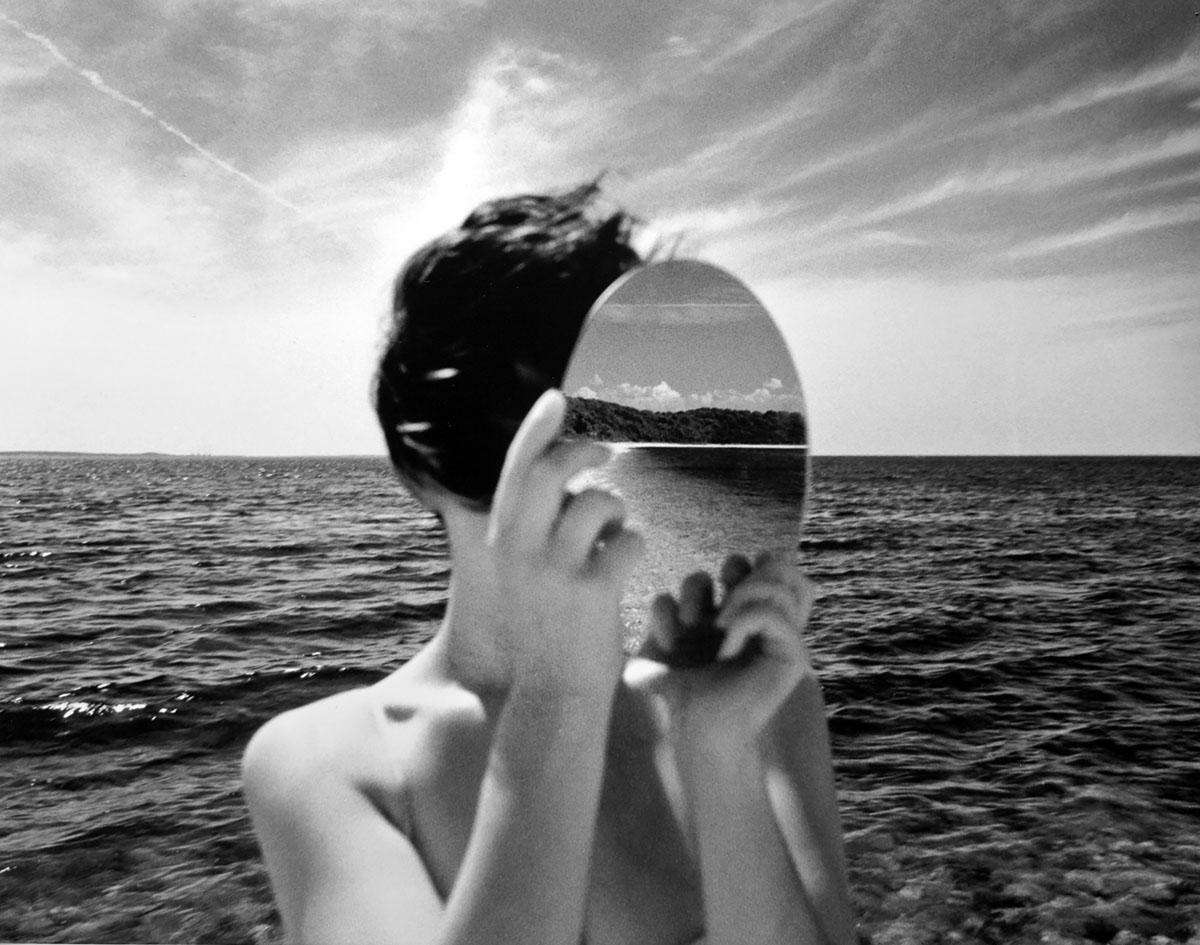
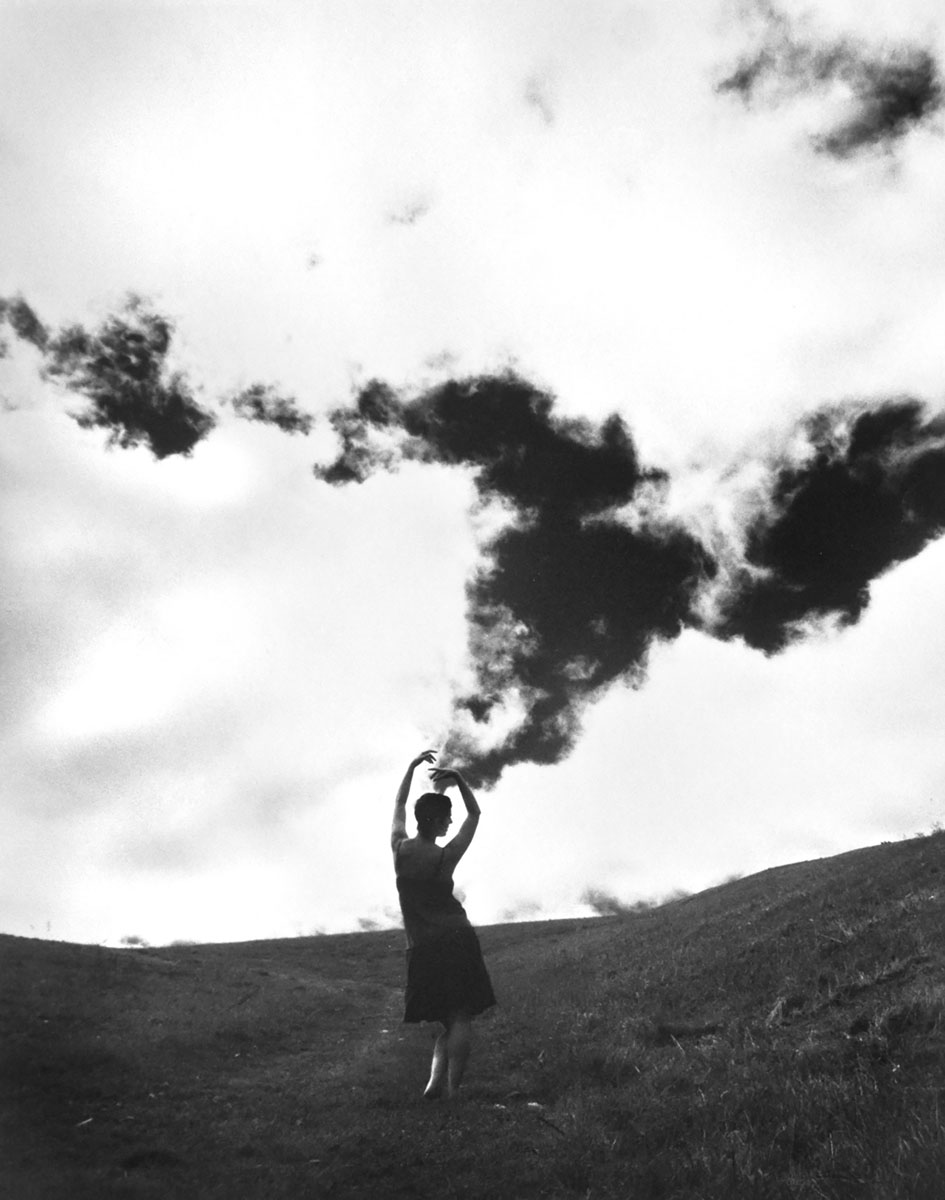

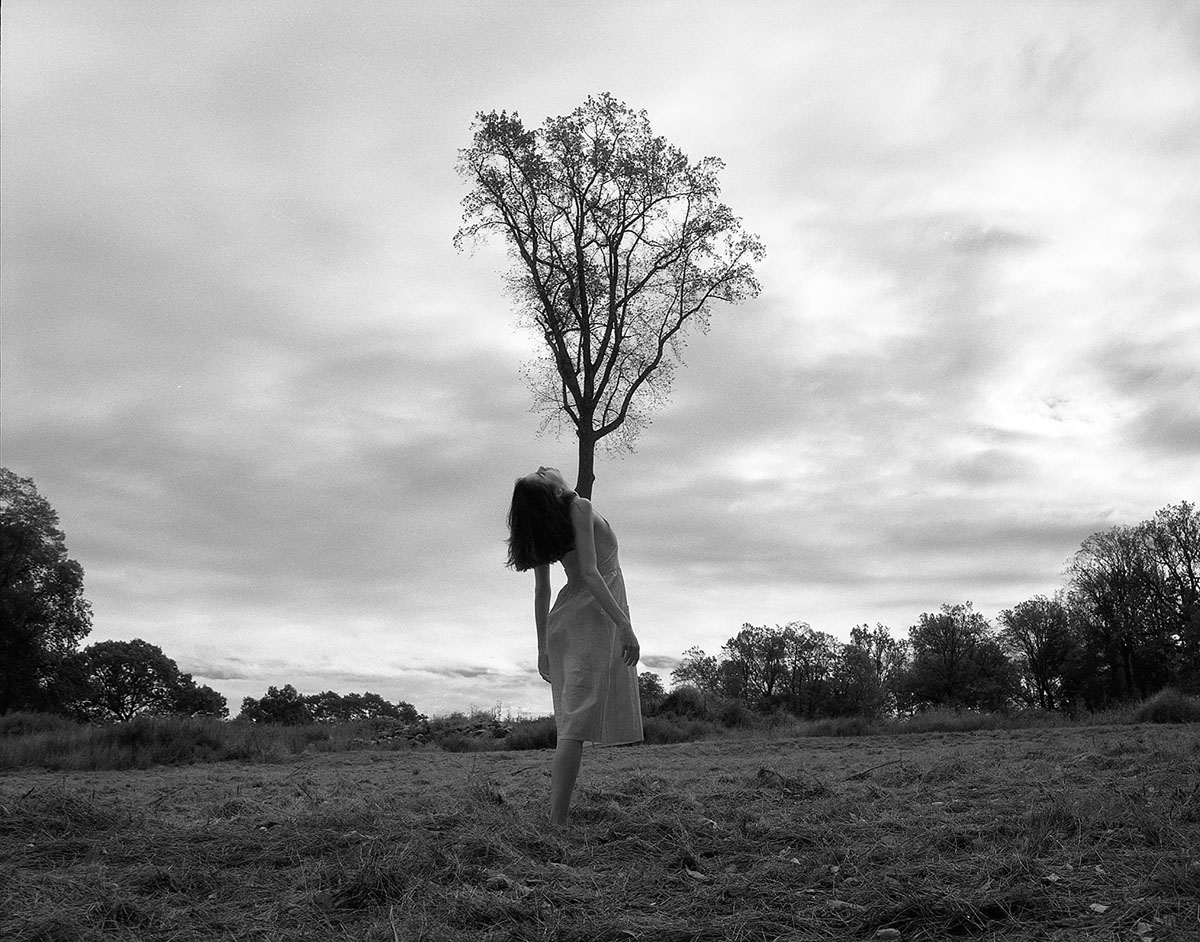
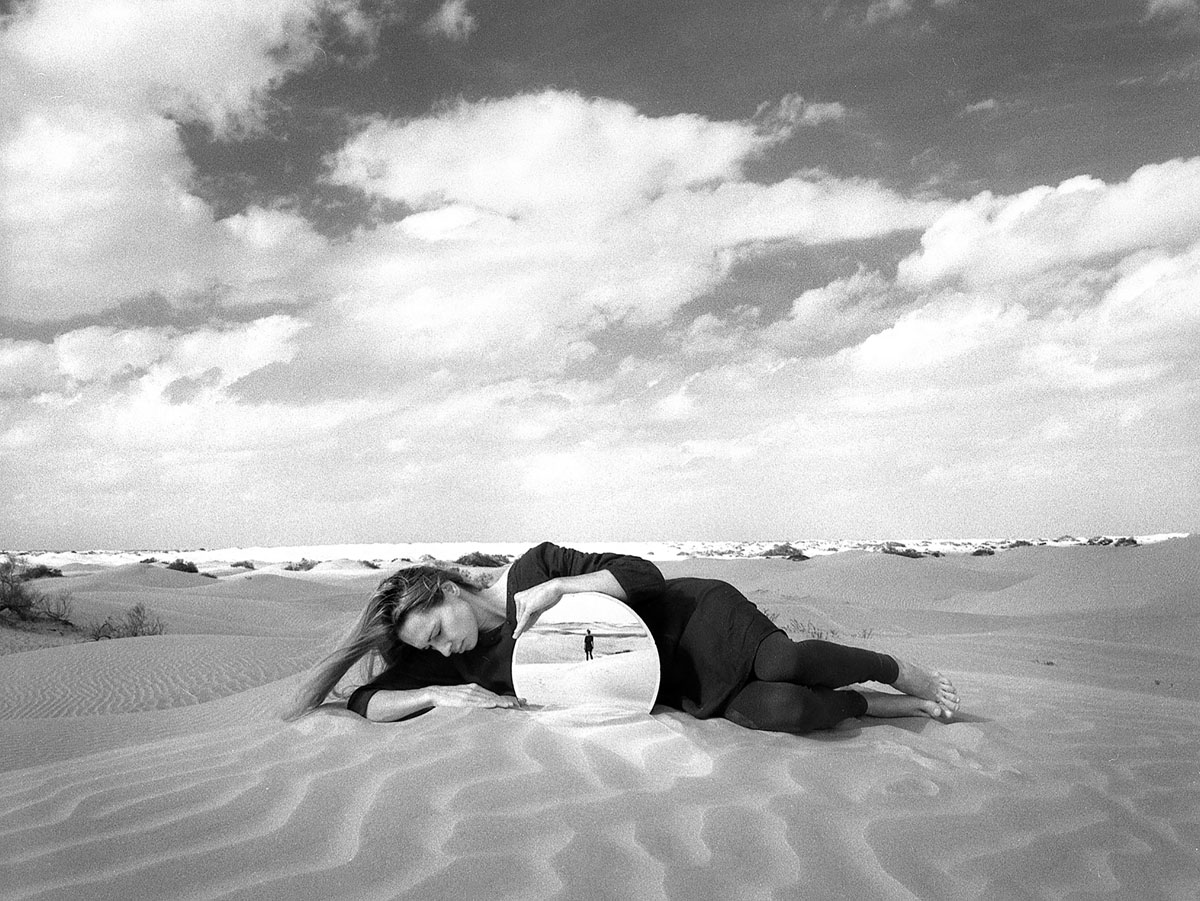
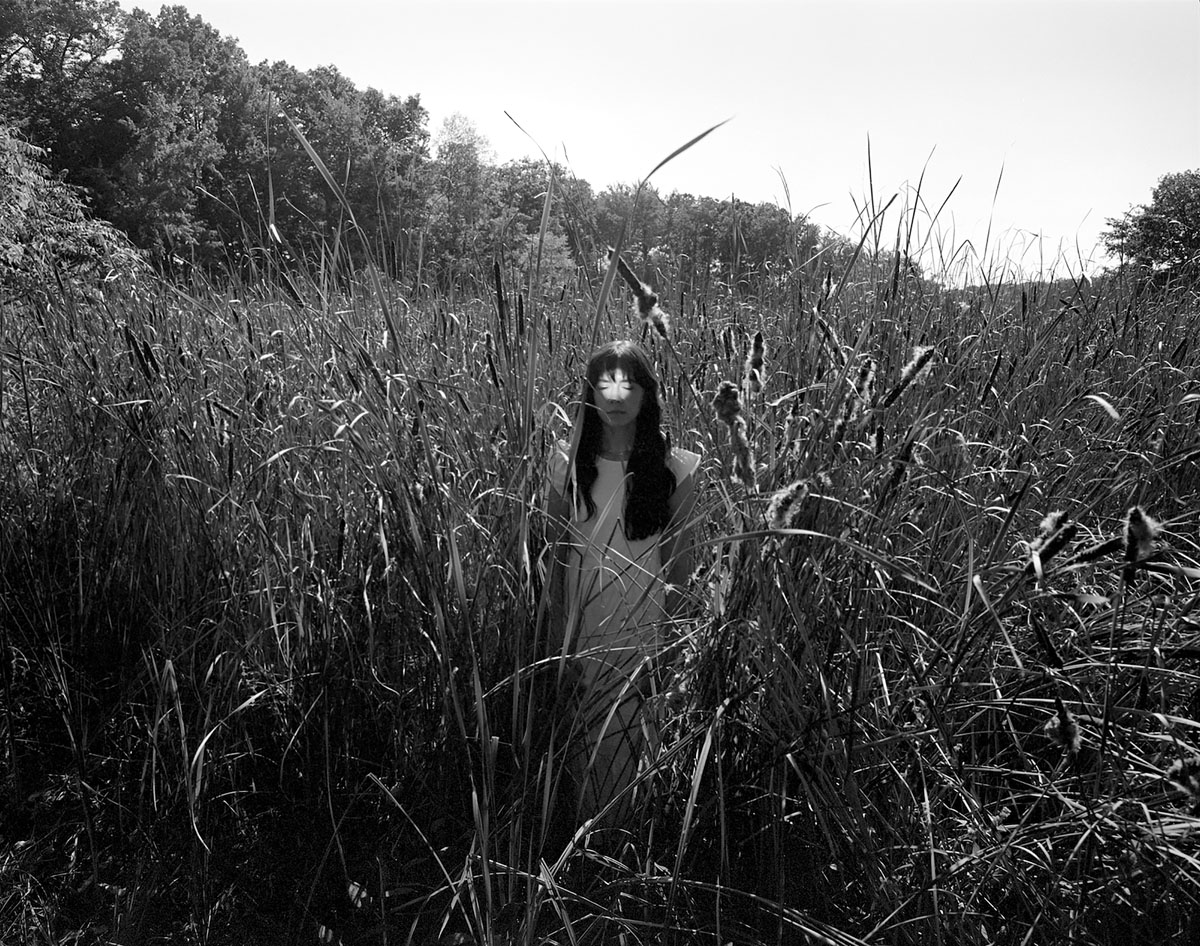

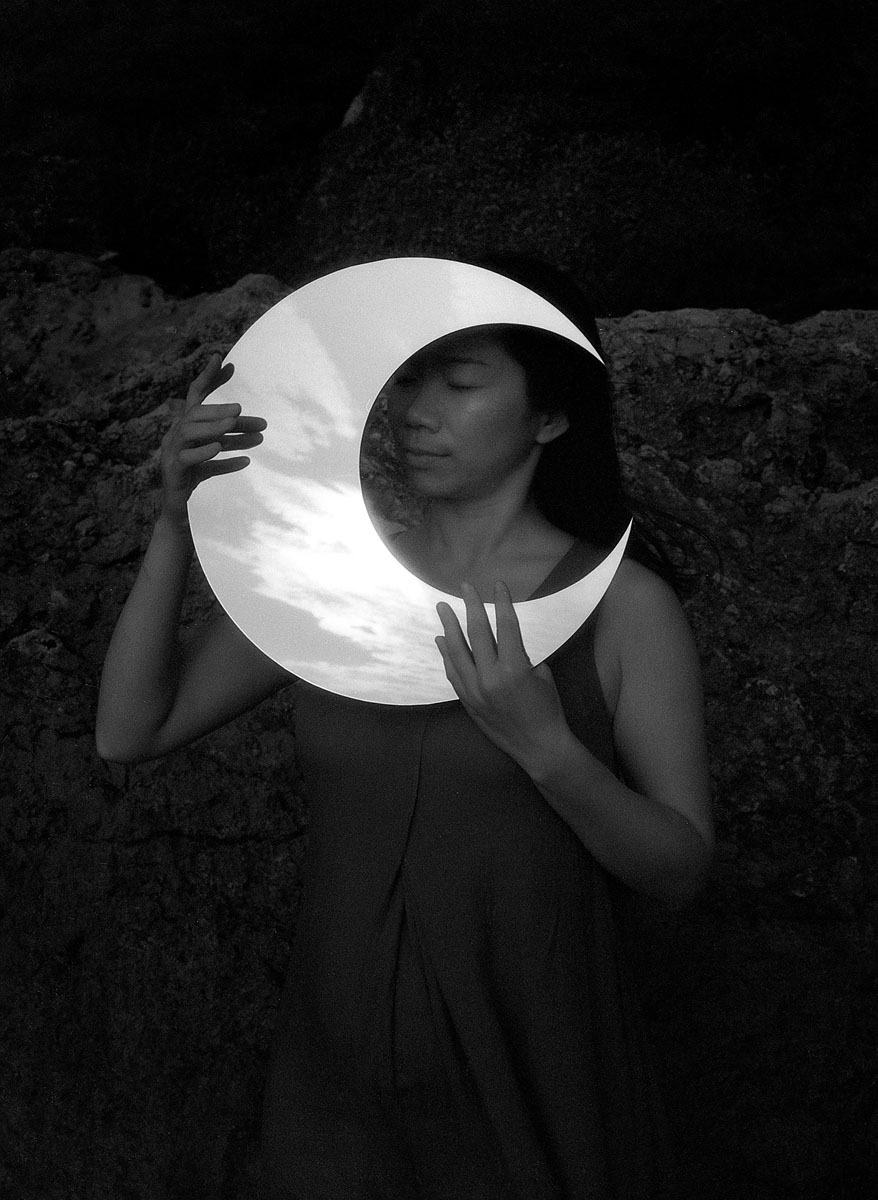

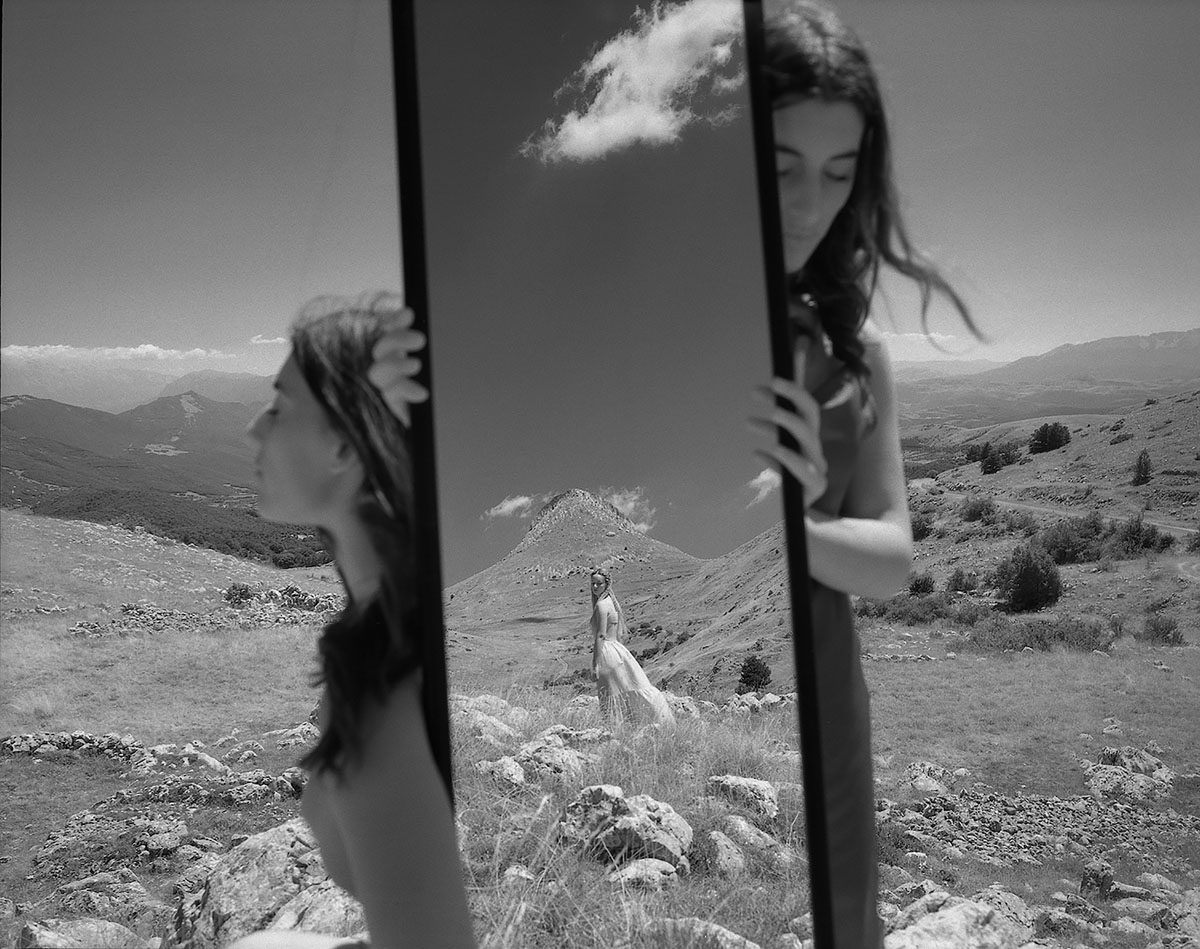
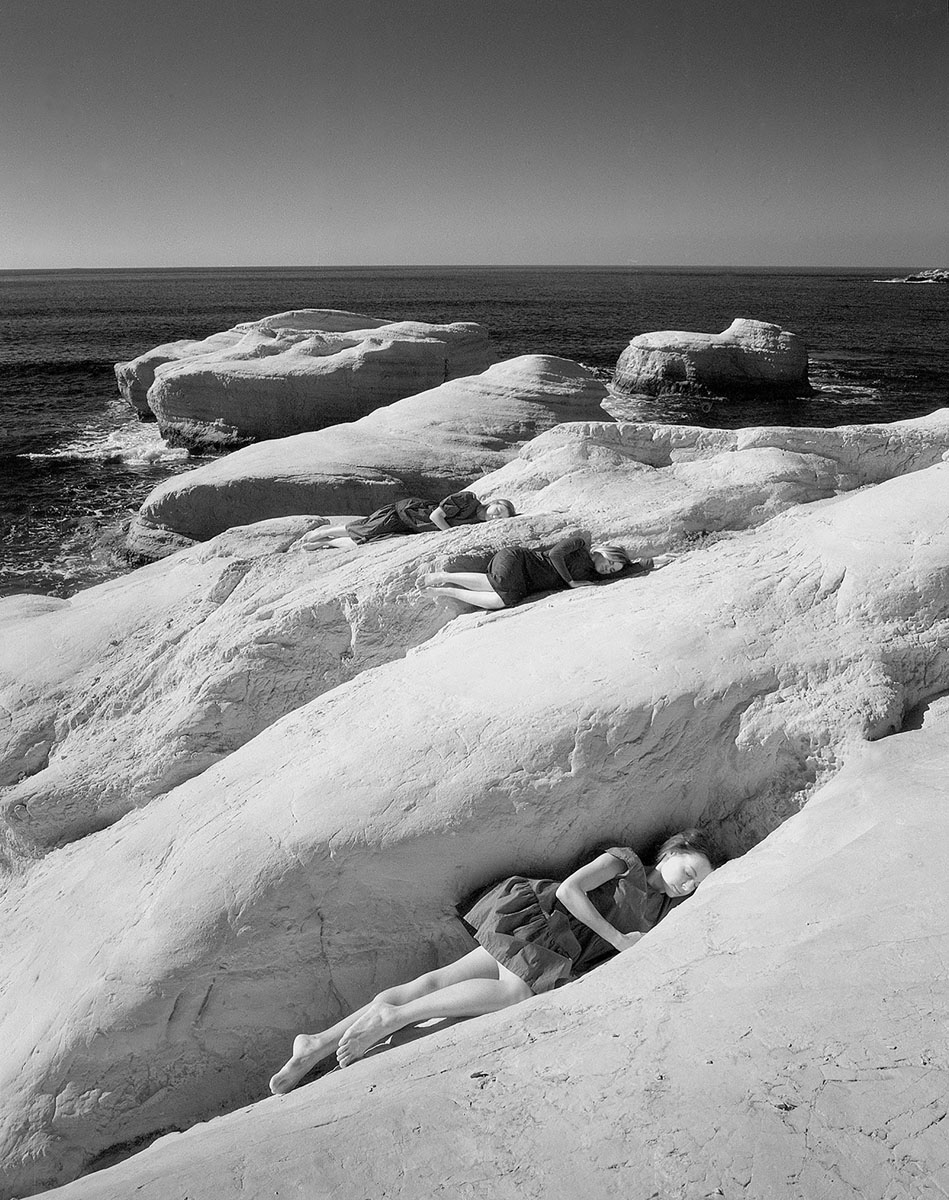
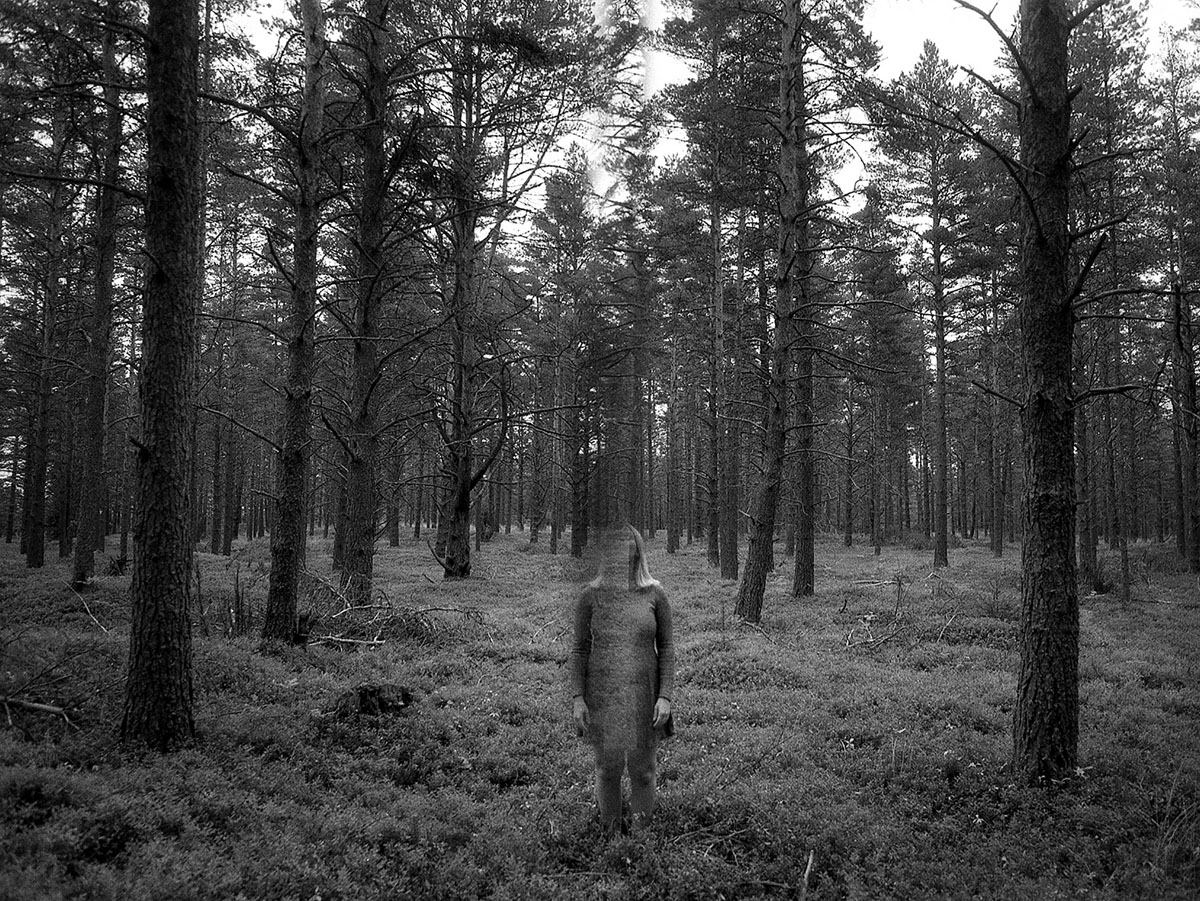
My work explores peace not as a fixed or idealized state, but as a fragile and active relationship between the body, the environment, and perception. Working with analog photography, I construct images in real time using mirrors, reflections, and spatial interventions to transform landscapes without digital manipulation. These images exist between documentation and invention, where reality is fragmented and reassembled through physical interaction with space.
At its core, my practice reflects on how we relate to the natural world and to one another within it. In an era marked by environmental instability and increasing mediation of experience, I am interested in how peace can be understood through presence, attention, and care. Rather than depicting conflict directly, my work focuses on moments of quiet transformation, where the landscape is not dominated but engaged with, altered gently through gestures that suggest coexistence rather than control.
The figures within my photographs, often women, interact with the environment by holding, reframing, or reshaping it. These actions introduce a sense of agency that challenges historical representations of both the body and nature as passive or separate. Instead, the images propose a more reciprocal relationship, where humans and landscapes are interconnected and continuously influencing one another.
The use of mirrors becomes a central metaphor for peace. They connect multiple perspectives within a single frame, allowing different realities to coexist without collapsing into one. This visual language reflects the idea that peace is not about uniformity, but about holding difference, complexity, and contradiction in balance. The landscapes appear altered and sometimes unstable, yet they remain cohesive, suggesting that harmony can emerge through negotiation rather than perfection.
In alignment with the mission of the Global Peace Photo Award, which seeks to highlight empathy, hope, and what is worth preserving, my work focuses on the quieter, often overlooked dimensions of peacefulness. It considers peace as an ongoing process shaped by perception, responsibility, and care for the world we inhabit.
Ultimately, these photographs ask how we might reimagine our relationship to the environment not through extraction or control, but through awareness, respect, and the possibility of coexistence.