
Ami Vitale, USA
Ami Vitale, born in 1971, studied at the University of North Carolina and the University of Miami, and subsequently worked as a photo editor for the Associated Press in New York and Washington before deciding to become a photojournalist herself. She first went to Guinea-Bissau, then spent years in India; her reports were published in GEO, National Geographic and other renowned media outlets. Whilst travelling through over 90 countries, her interest focused increasingly on the relationship between humans and animals, and in particular on the threats to the preservation of biodiversity. Vitale has won a number of the world’s most prestigious awards; the significance of her work is now compared to that of women such as Jane Goodall and Christiane Amanpour. She runs workshops in the USA, Europe and Asia; her photographs are on display in major museums, and documentary films also pay tribute to her work.
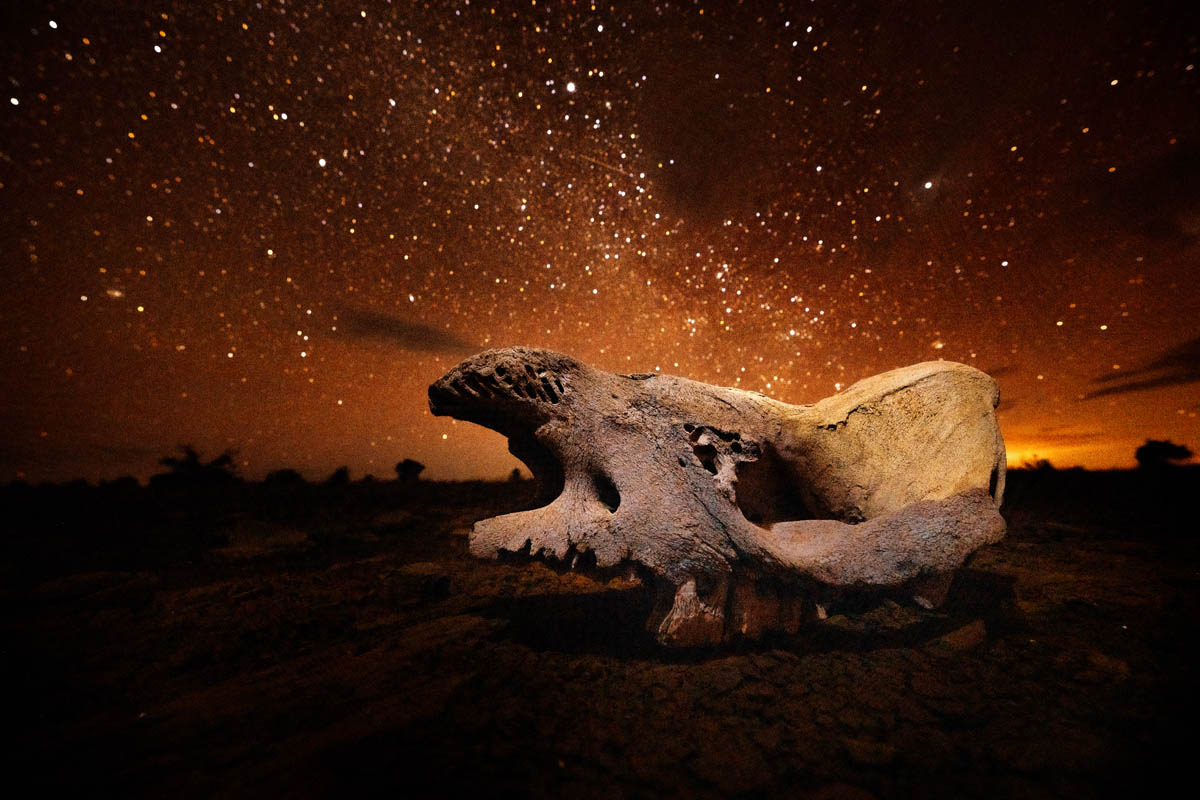
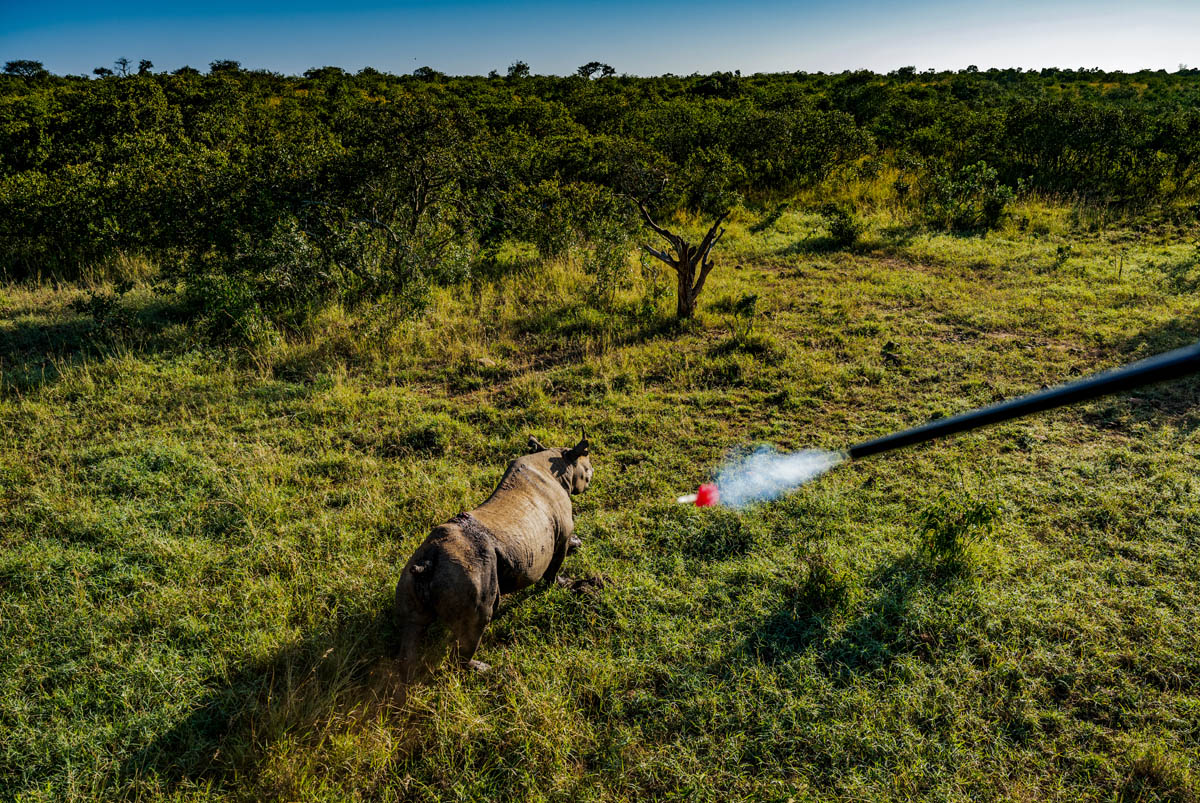
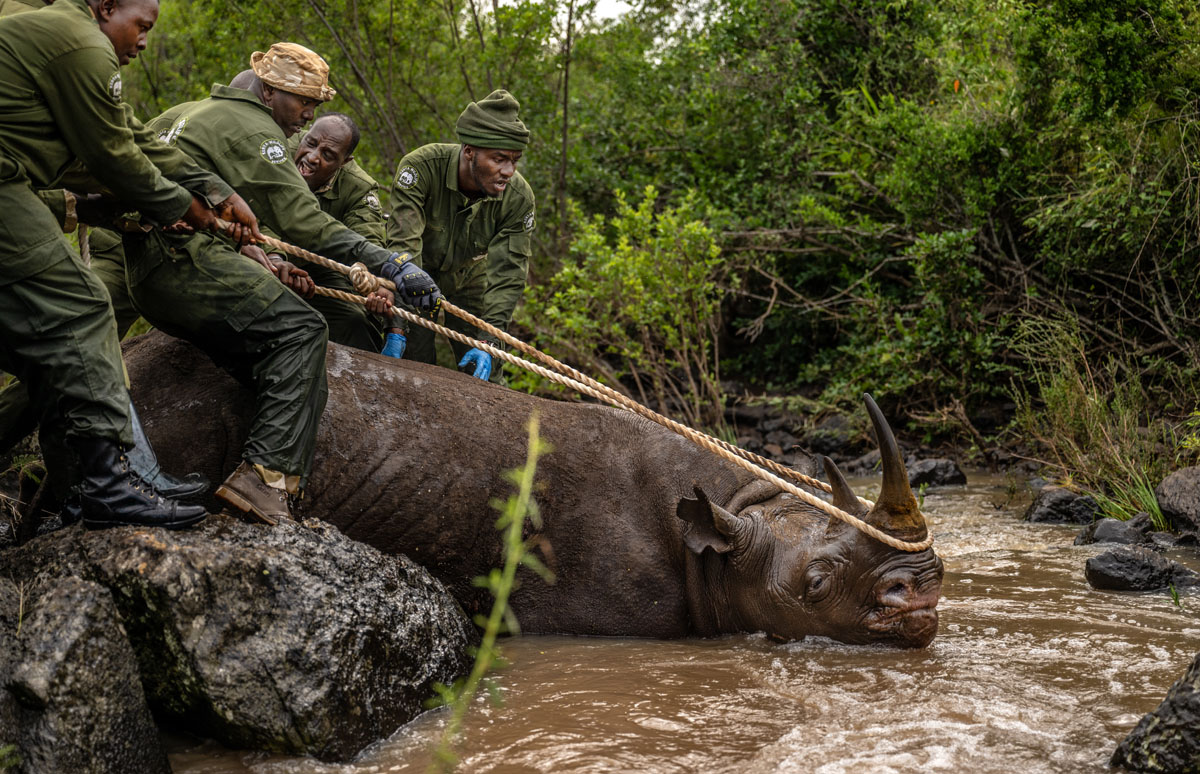
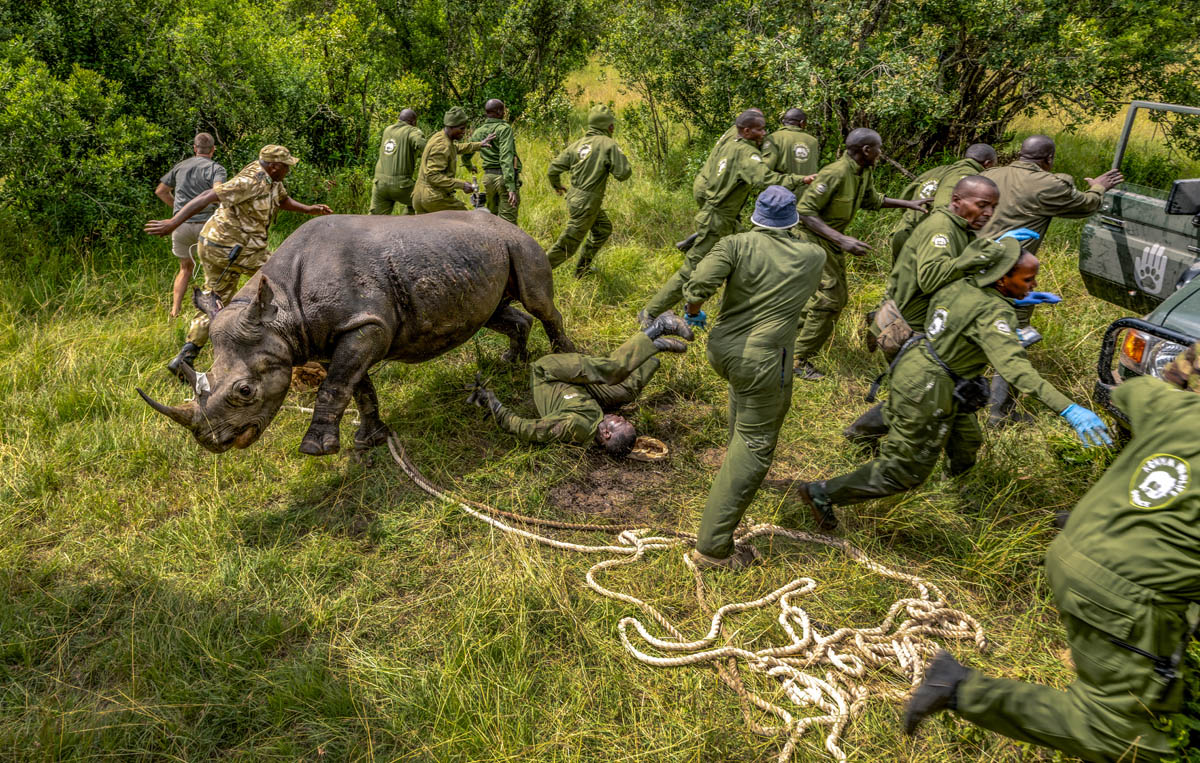
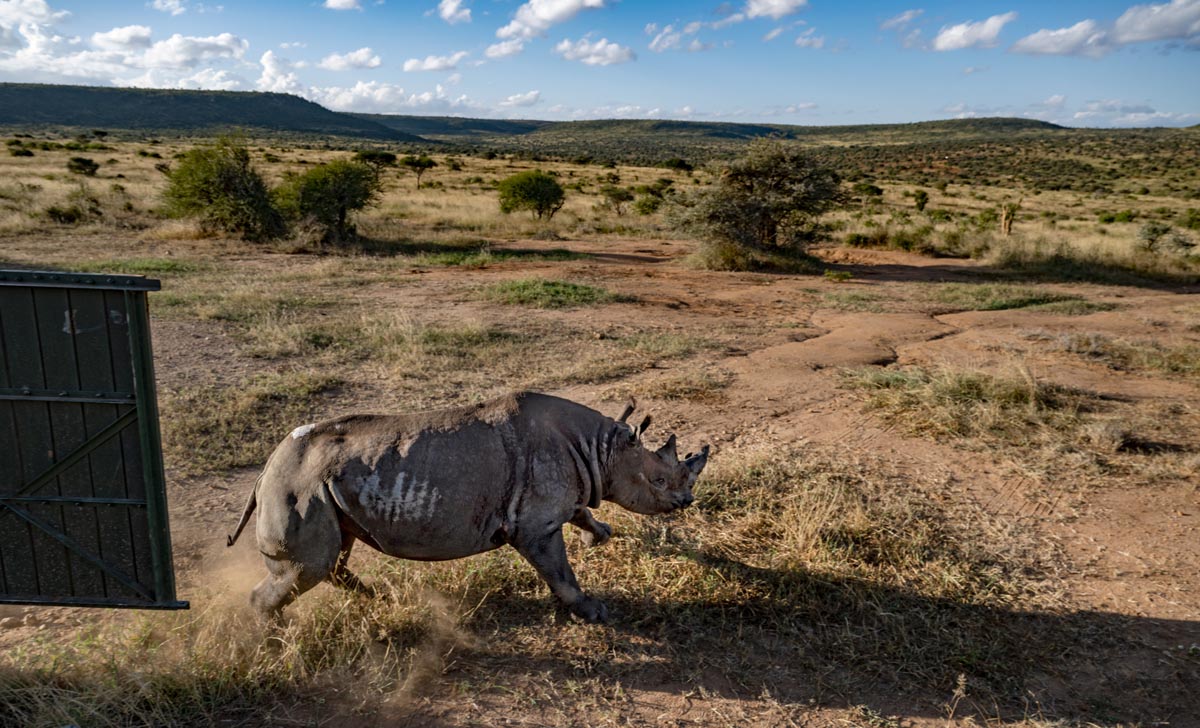
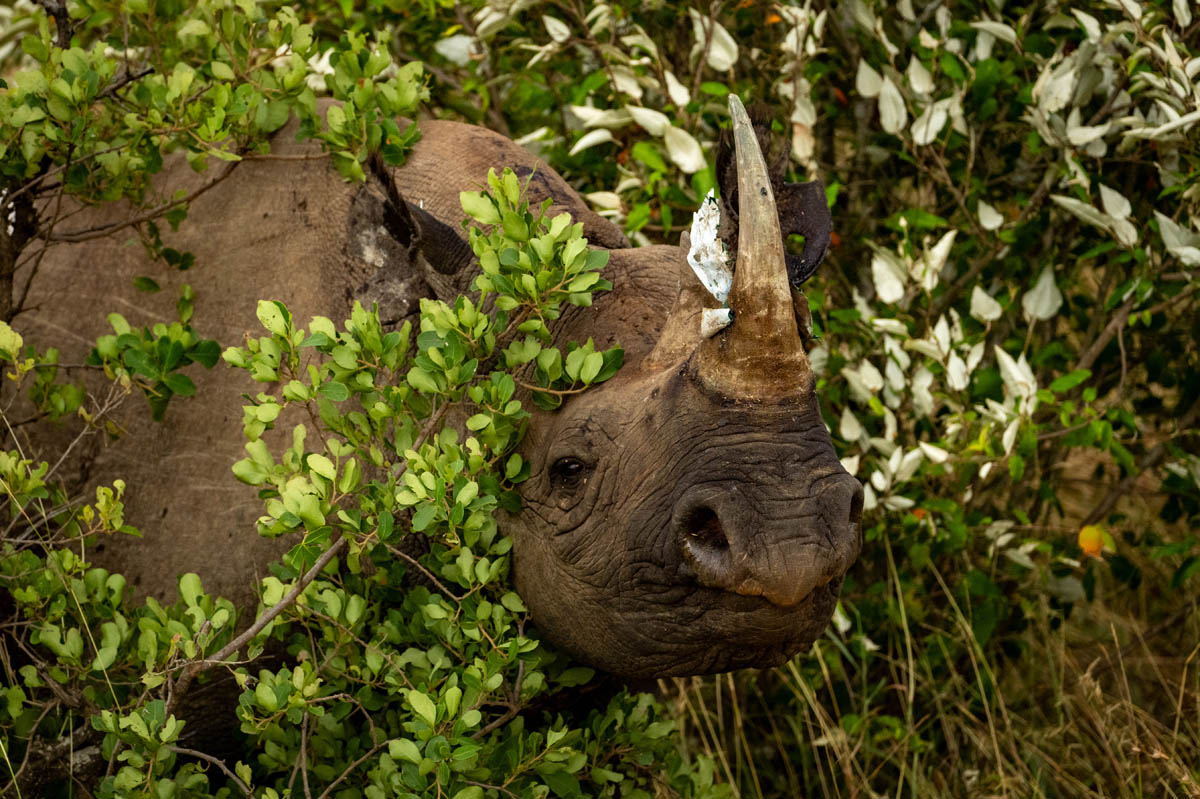
They have inhabited the African continent for 17 million years, but poaching, which peaked between the 1970s and the 1990s, has decimated their already severely depleted population by a dramatic 96 per cent. It is estimated that there are now barely 7,000 black rhinos remaining in the wild south of the Sahara. Their downfall: in parts of Asia, a powder made from the two large, long horns on their skulls is still believed to have fever-reducing, detoxifying, and even cancer-curing properties – even though this has long been scientifically debunked as complete nonsense.
Making peace with nature, not destroying the wealth of biodiversity: this remains, or is increasingly becoming, a very difficult task. And fortunately, there are institutions and people who are taking on this task, and sometimes even a government.
Kenya has established 16 sanctuaries for black rhinos. This has enabled the population, which had dwindled in this East African country from over 20,000 to just under 300, to be increased again to around 1,000. However, 2,000 is considered the minimum required to ensure the species’ long-term survival.
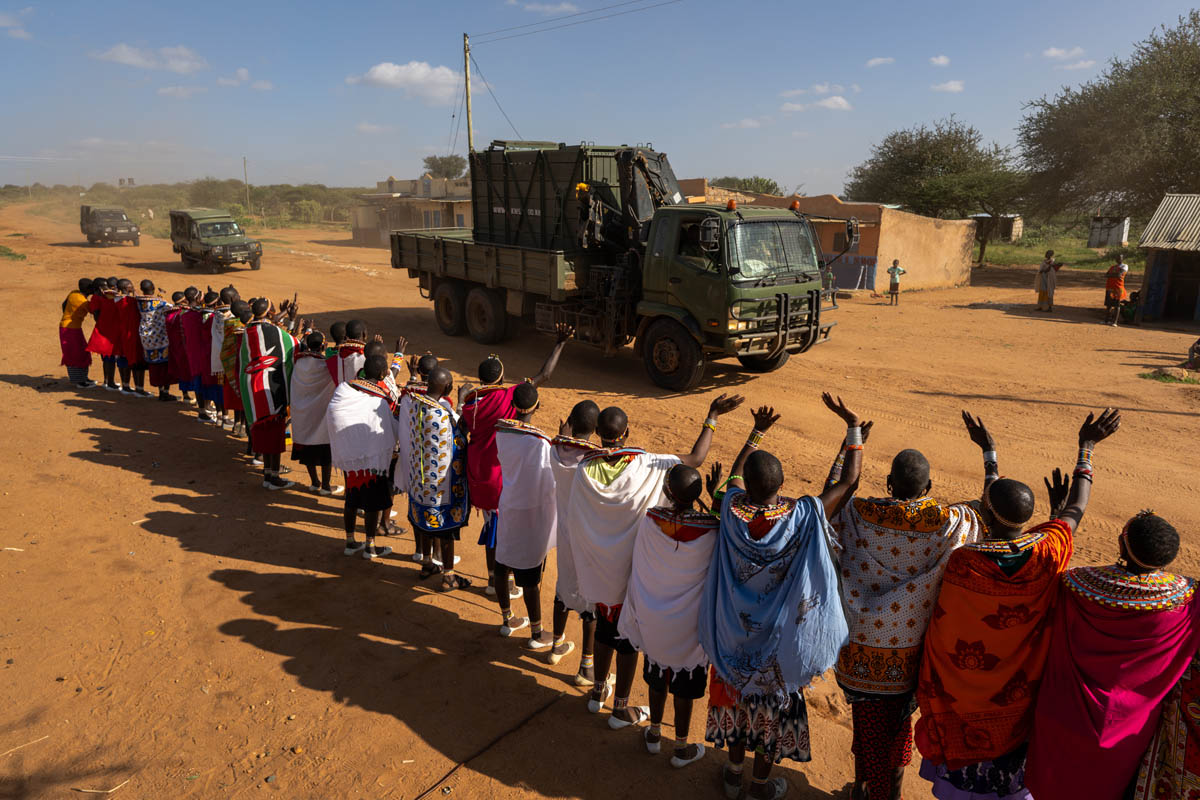
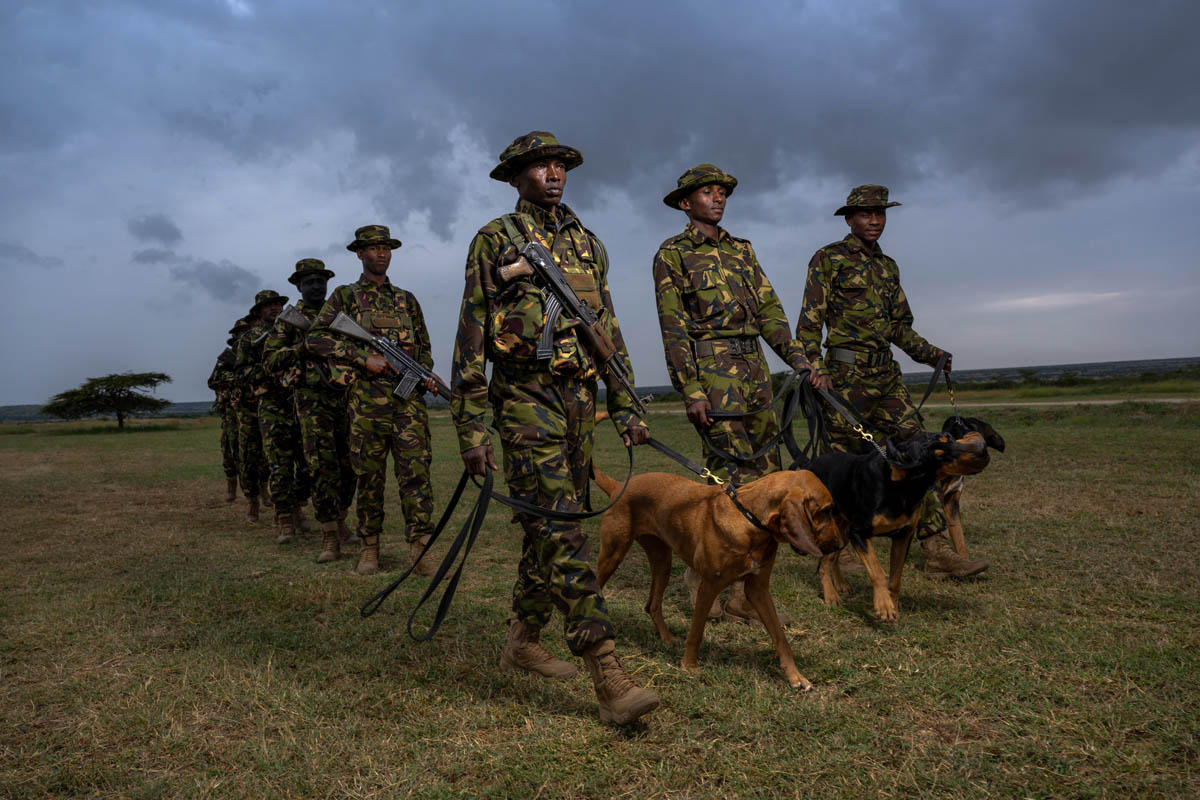
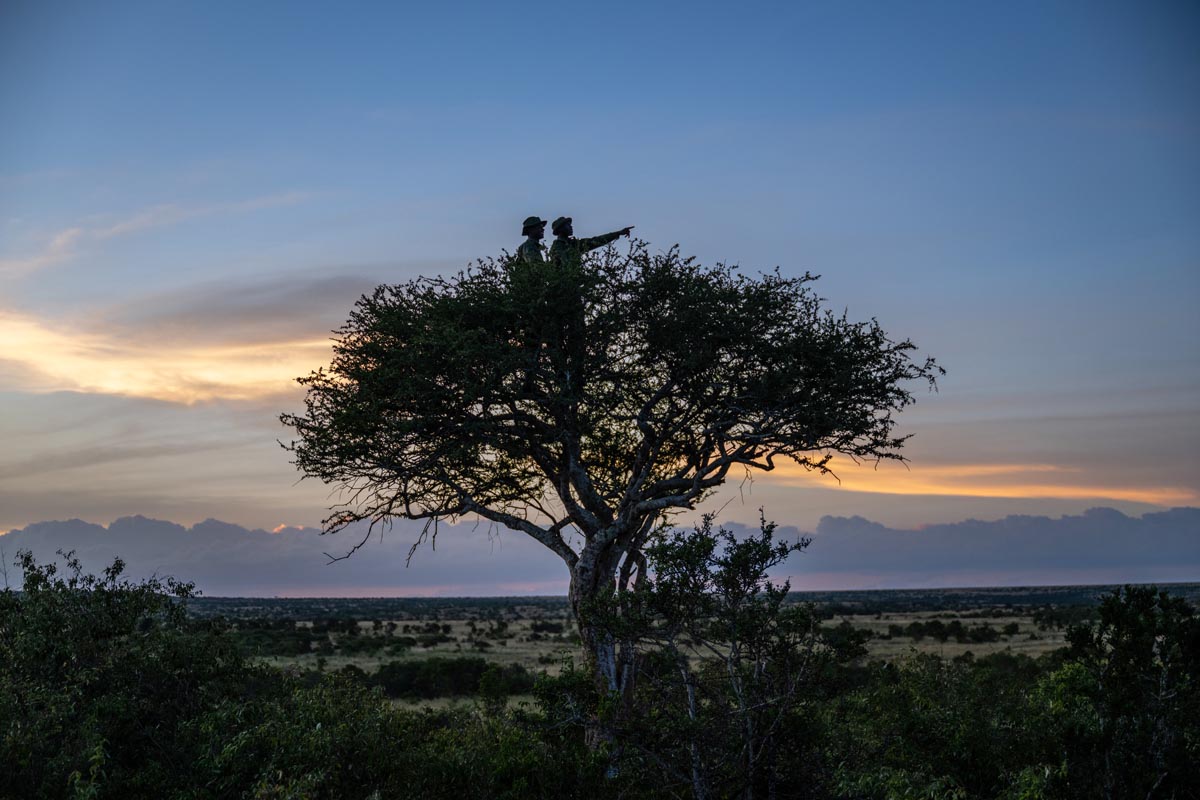
The American photographer Ami Vitale, who has been working on the issue of species conservation for many years, accompanied the complex relocation of 21 endangered black rhinos to the Loisaba Reserve in northern Kenya and also visited other reserves.
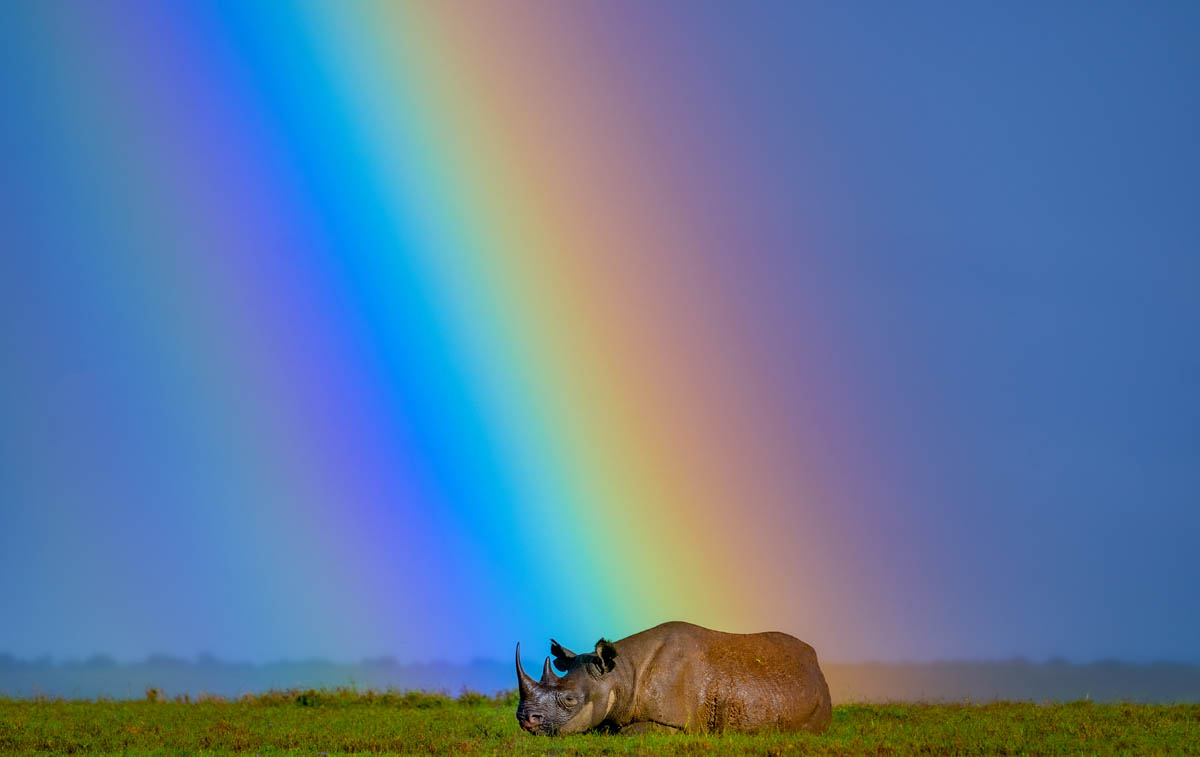
For Ami Vitale, the epitome of the peace that these herbivorous animals can find here again is the scene in which she saw the rhino Bruno resting beneath a rainbow-coloured sky in the Ol Pejeta Reserve.
What particularly impressed Vitale was that the rescue of endangered animals in Kenya is not solely the responsibility of rangers, experts and vets. Rather, she perceived the commitment as being shared by many local communities, who take pride in these special creatures of nature and have developed an interest in training on biodiversity and the conservation of ecosystems. This, along with the importance of ecotourism for Kenya, gives not only Vitale hope for a happy ending in the country’s species conservation efforts.
(Laudatio by Peter-Matthias Gaede)