
Diego Ibarra Sánchez, Libanon
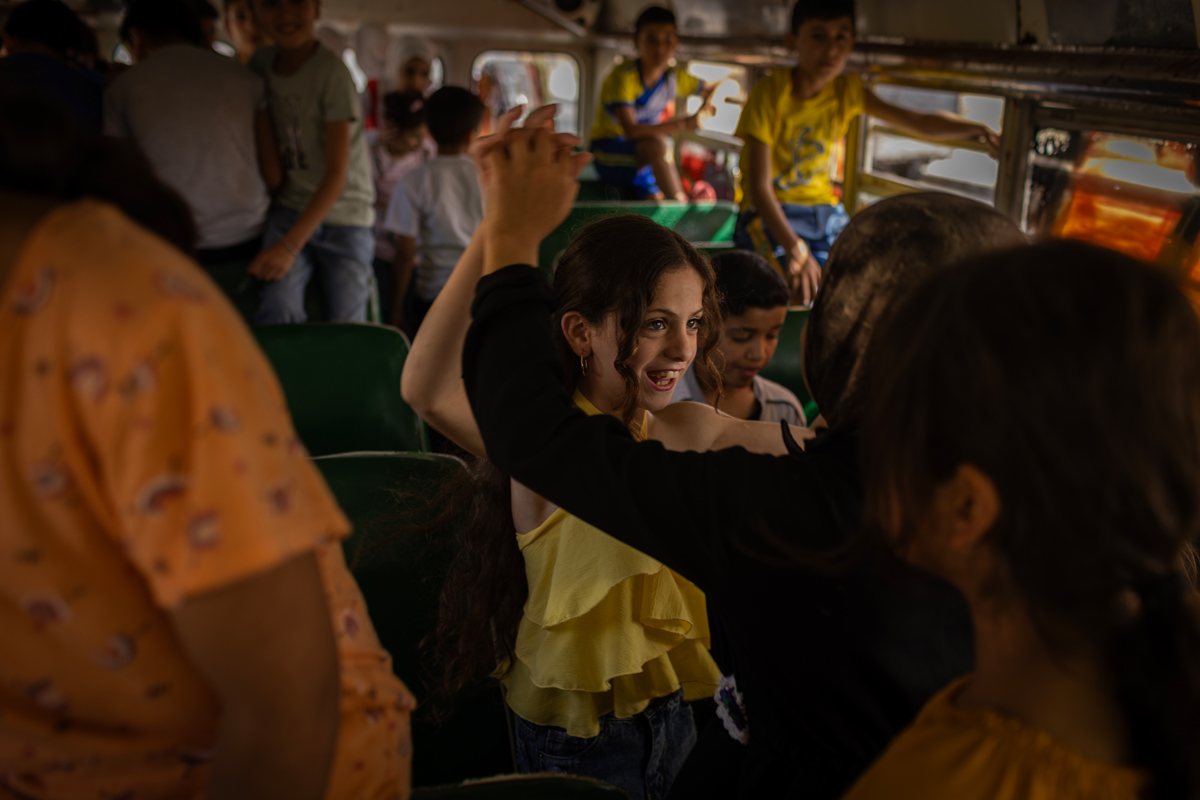
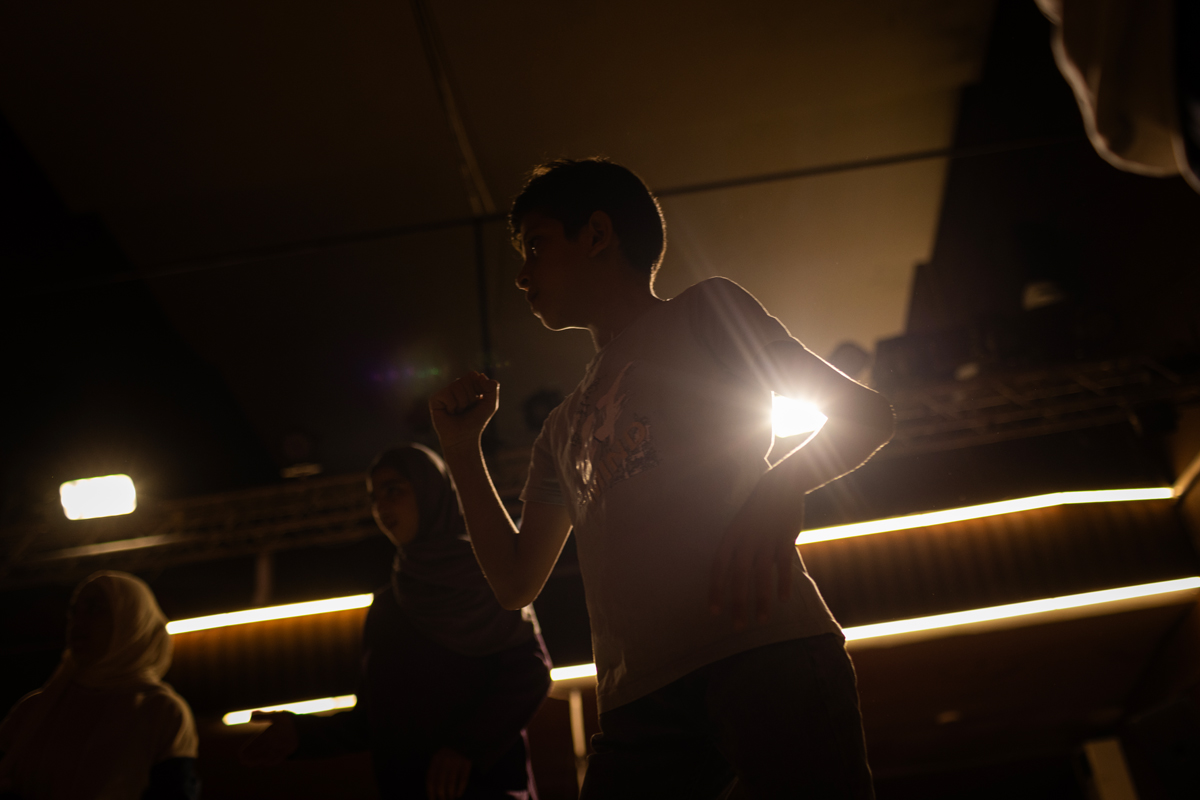
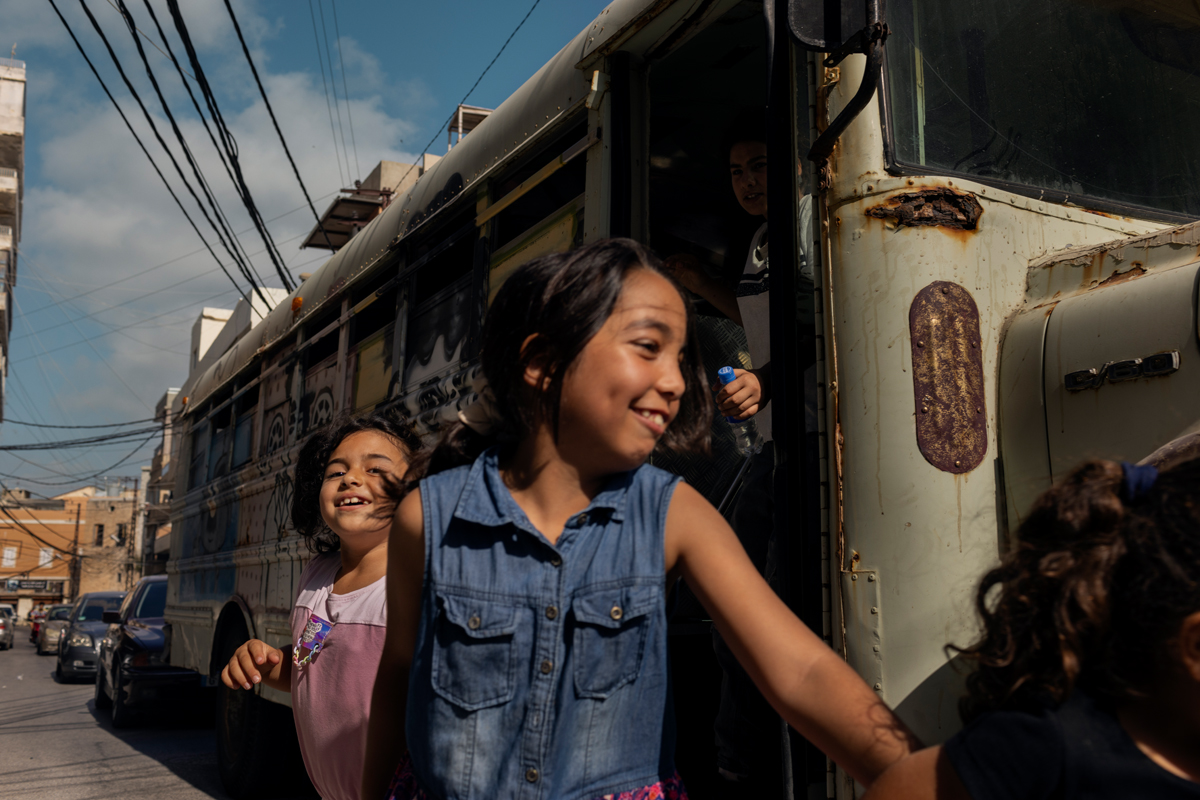
Spanish photographer Diego Ibarra Sánchez, born in 1982, who lives and works in Lebanon, travelled on the Peace Bus to photograph children in a moment of exuberance. As a photographer and documentary filmmaker, Sánchez says he wants to achieve more than simply capturing events. Above all, he wants to encourage reflection on the state of our world. He has documented this world in Latin America, among other places, later in African countries, as well as in Afghanistan and, above all, in Pakistan, before Lebanon became his base for further travels to Syria, Iraq and also Ukraine. His work has appeared in the New York Times, Der Spiegel and the NZZ, as well as on various television channels. Sánchez has held exhibitions in many European countries, as well as in the USA and Mexico. The United Nations Refugee Agency and UNICEF have also featured his reports.
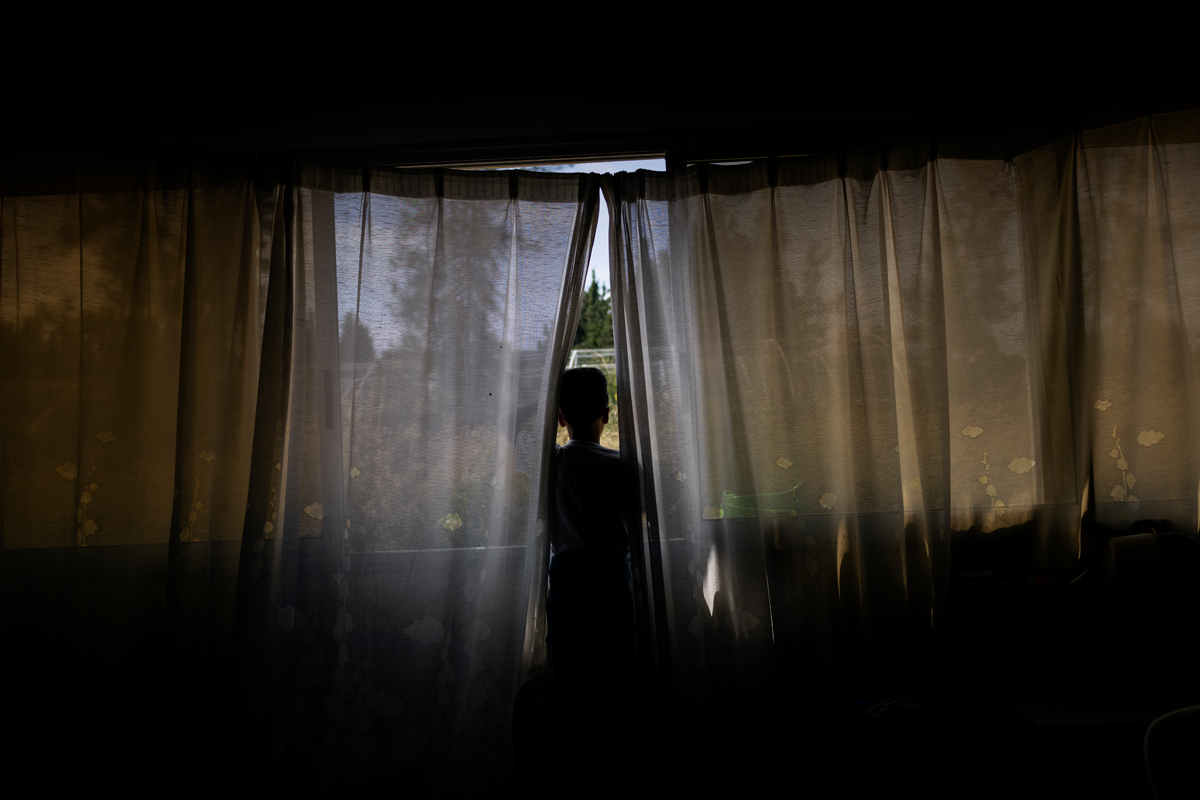
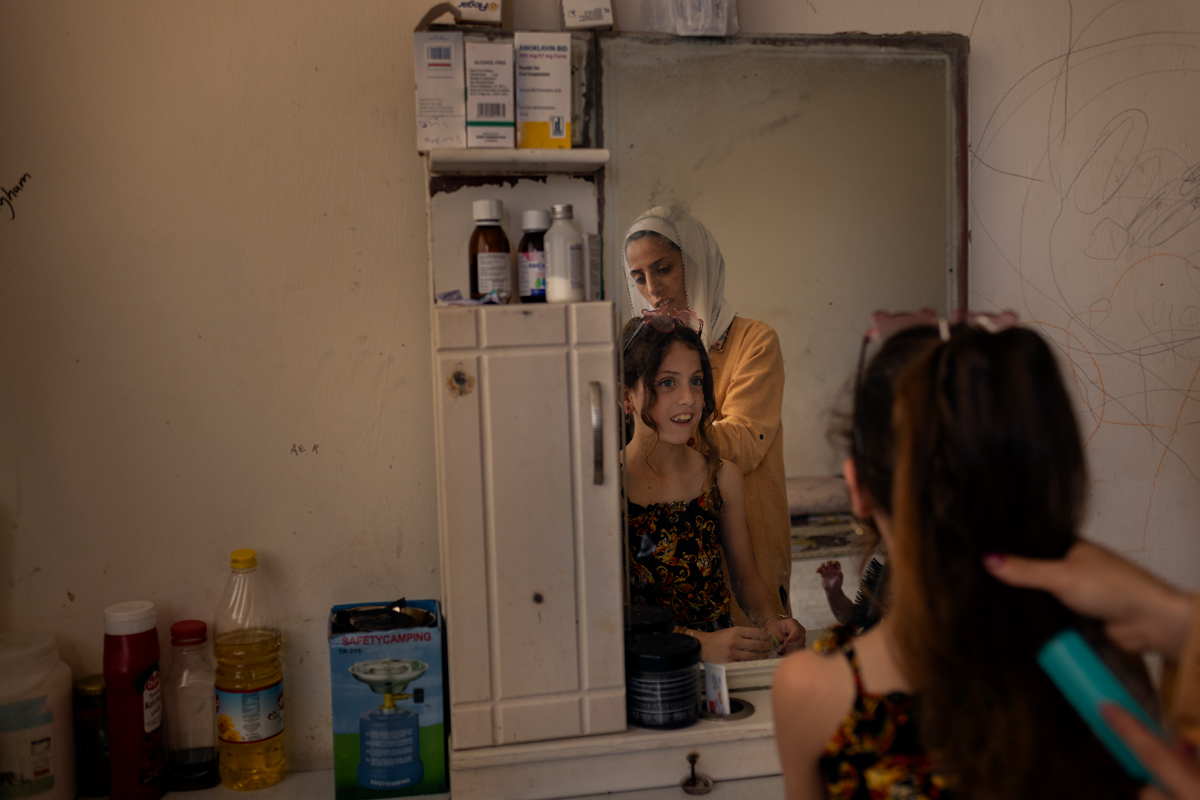

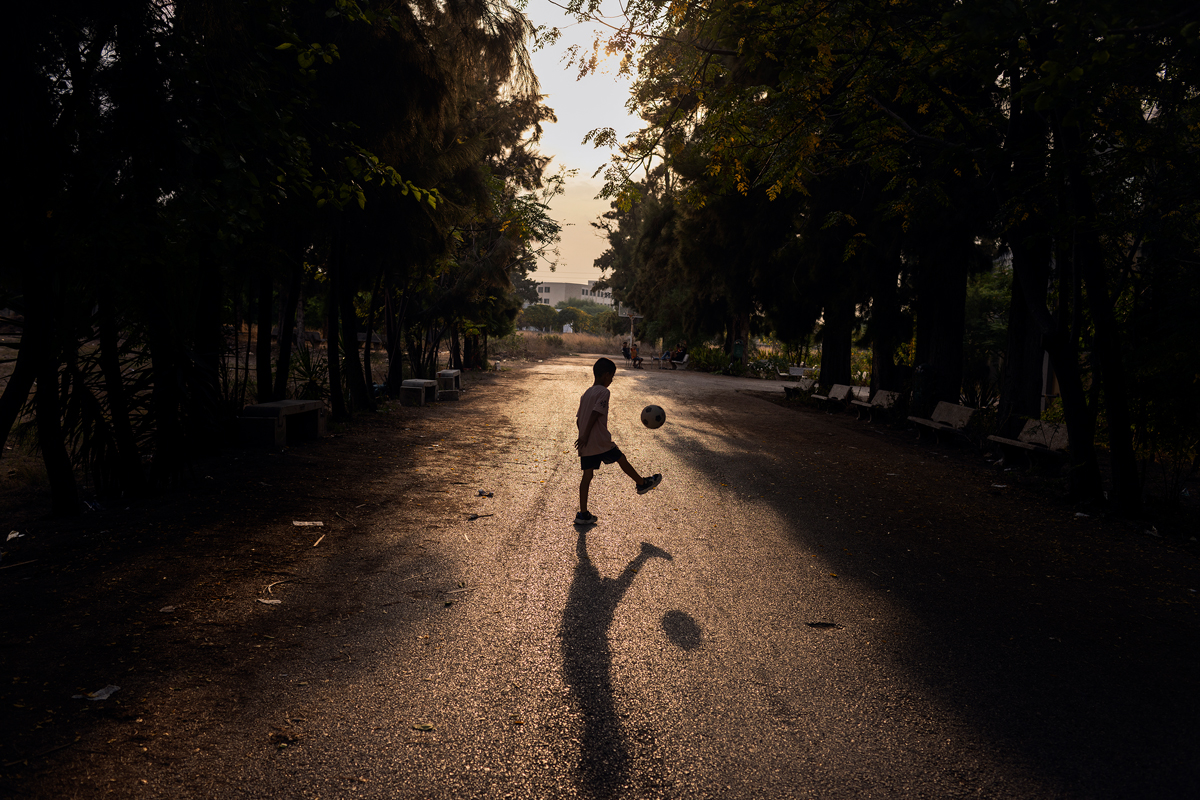
At the end of the Second World War, the term ‘DP’ (Displaced Persons) was used to describe all those people who found themselves outside their homeland; displaced, deported, or on the run. Since then, there have been displaced persons in many countries around the world, on almost every continent, in virtually every war, whether cross-border or within a country. And so there are displaced persons in Lebanon too, currently caused by the reciprocal attacks by Hezbollah on Israel and Israeli counter- . In October 2024, there were around 94,000 people in southern Lebanon: including some 30,000 children.
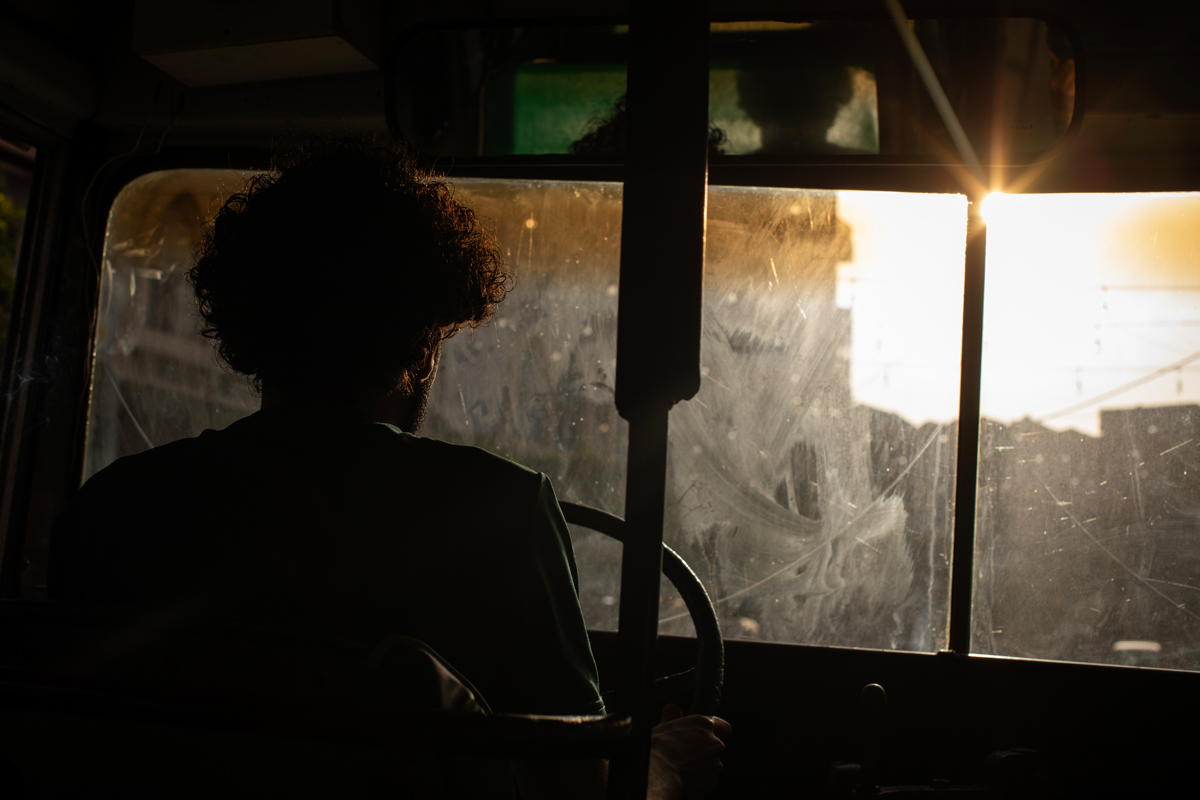
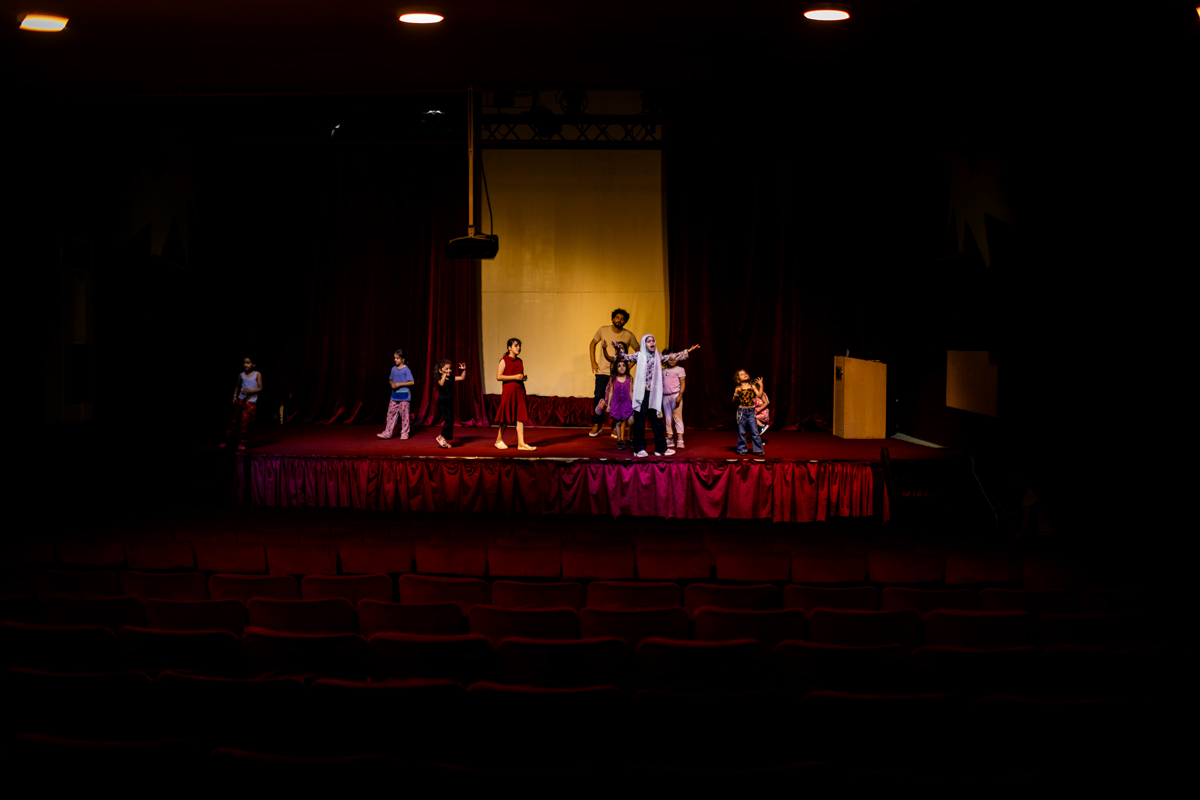
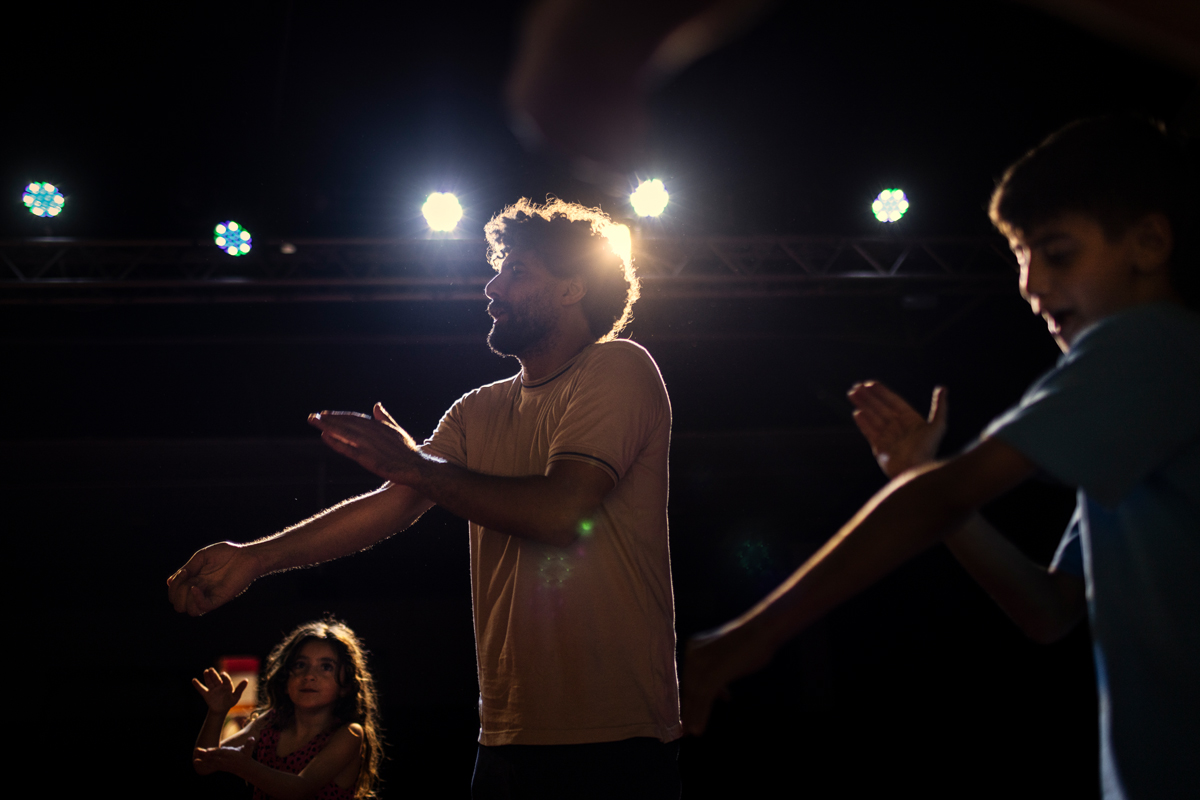
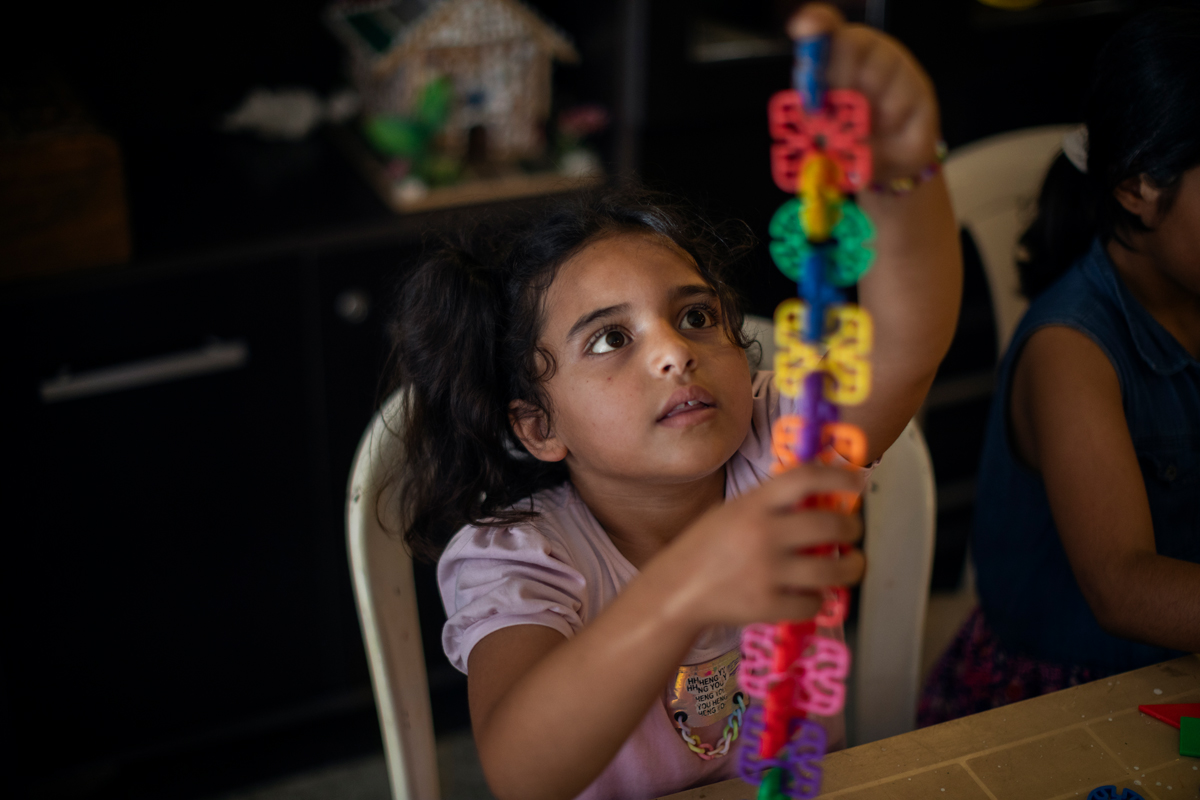
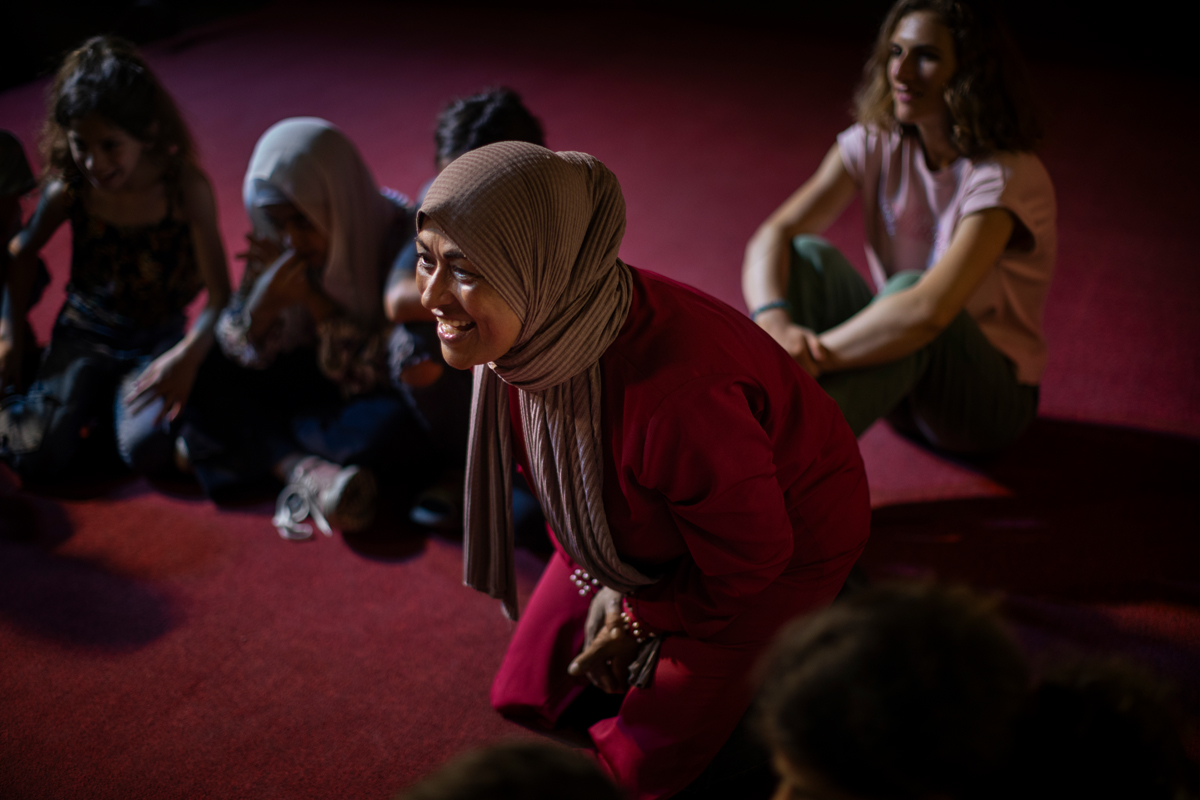
To free girls and boys from the maelstrom of fear and terror, if only for a few moments, the photographer Houssam Khatab has organised a colourful bus, the ‘Art Peace Bus’, driven by Syrian refugees, in which the children of the city of Tyre, Lebanon’s fourth-largest, are taken to an old theatre palace, where they are to be entertained with various performances and workshops. Most of them come from emergency shelters, the sounds of war ringing in their ears. On the bus, they are meant to rediscover laughter, at least for a short while; they are meant to enjoy a sense of carefreeness, to gain energy, and songs are sung to them.
“Many of the children have lost everything,” says the actor and theatre director, Kassem Istambouli, “we are trying to break the cycle of war and offer the children art as a window to greater resilience.”
(Laudatio by Peter-Matthias Gaede)